
Seasonal Pest Control in San Antonio: What to Expect Year-Round
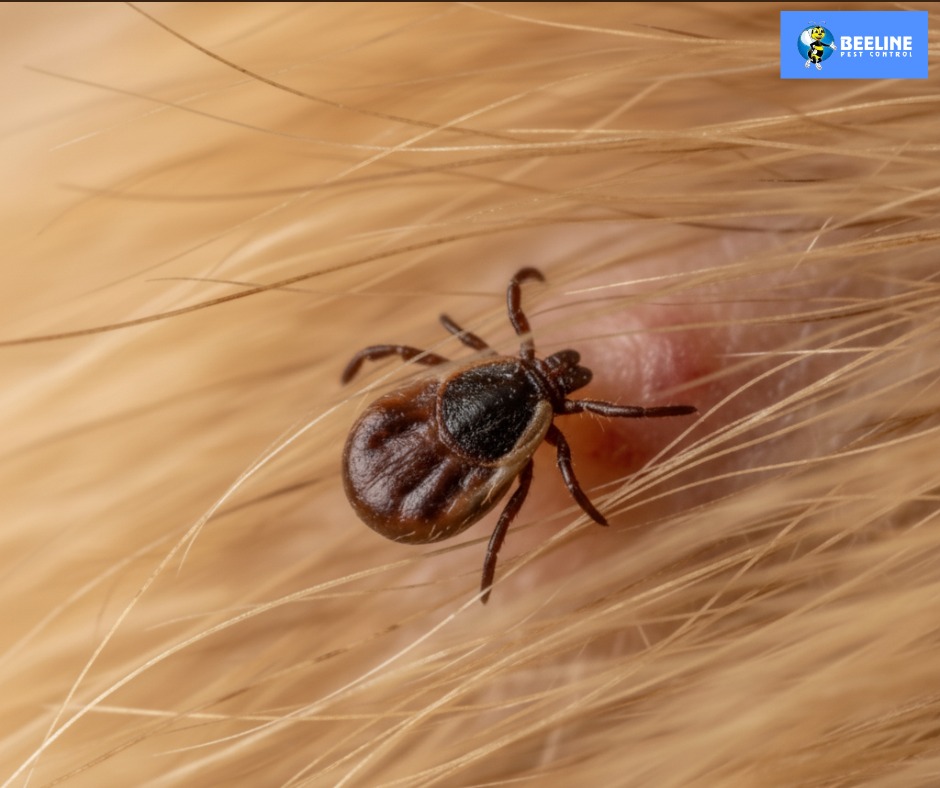
Pest activity in San Antonio is a year-round concern due to its warm climate and mild winters. Unlike colder regions where pests die off or go dormant, San Antonio’s environment allows many insects and rodents to remain active throughout the year. Understanding how pest behavior changes with the seasons can help homeowners and businesses stay prepared and maintain a pest-free environment.
Spring: Beginning of Pest Activity
Spring in San Antonio marks the beginning of increased pest activity. As temperatures rise and rainfall becomes more frequent, many pests emerge from dormancy or begin reproducing more quickly.
Common pests during spring include:
- Ants, especially fire ants, which become more visible in yards and outdoor spaces
- Termites, particularly swarmers searching for new places to establish colonies
- Mosquitoes, which begin breeding in standing water after spring rains
This season is often when infestations first become noticeable. Preventative measures such as eliminating standing water, sealing entry points, and maintaining landscaping can help reduce the risk of pests multiplying.
Summer: Peak Pest Season
Summer is the most active time for pests in San Antonio. High temperatures and humidity create ideal breeding conditions, leading to a surge in pest populations.
During this time, residents commonly encounter:
- Cockroaches, which thrive in warm, moist environments
- Mosquitoes, reaching peak population levels
- Spiders, often found in garages, corners, and outdoor areas
- Wasps and hornets are building nests around homes and structures
Pests are not only more active but also more aggressive in their search for food and shelter. Homes and businesses may experience increased indoor activity as pests seek cooler environments.
Regular maintenance, proper waste management, and minimizing moisture buildup are essential steps during the summer months.
Fall: Transition and Migration Indoors
As temperatures begin to cool in the fall, many pests start looking for warm places to shelter—often inside homes and buildings.
Common fall pest issues include:
- Rodents, such as rats and mice, enter homes through small openings
- Spiders, moving indoors in search of prey
- Ants, continuing to forage and expand colonies
This is a critical time for pest prevention. Sealing cracks, repairing screens, and checking for gaps around doors and windows can significantly reduce the chances of pests entering indoor spaces.
Fall is also an important time to address any lingering pest problems before winter, as untreated infestations can worsen over time.
Winter: Hidden but Not Gone
While winter in San Antonio is relatively mild, pest activity does not completely stop. Instead, many pests become less visible as they hide indoors or in sheltered areas.
During winter, you may still encounter:
- Rodents, nesting in attics, walls, or storage areas
- Cockroaches, remaining active indoors where it’s warm
- Spiders stay hidden in undisturbed areas
Because pests are less noticeable, infestations can go undetected and grow over time. Regular inspections and cleanliness are key to preventing long-term problems.
Why Year-Round Pest Awareness Matters
San Antonio’s climate allows pests to remain active across all seasons, making pest control a continuous concern rather than a one-time solution. Each season brings different challenges, and understanding these patterns helps property owners stay ahead of potential infestations.
Key factors that contribute to year-round pest activity include:
- Warm temperatures, even during winter months
- Urban development, which disrupts natural habitats
- Moisture and humidity create ideal breeding conditions
- Abundant food sources, especially in residential and commercial areas
Being proactive rather than reactive is the most effective approach to managing pests in this region.
Tips for Managing Pests Throughout the Year
Maintaining a pest-free environment in San Antonio requires consistent effort. Here are some general tips that apply year-round:
- Keep indoor and outdoor areas clean and free of food debris
- Fix leaks and reduce moisture buildup around the property
- Seal cracks, gaps, and potential entry points
- Maintain landscaping and trim vegetation away from structures
- Dispose of garbage regularly and use sealed containers
By following these practices, homeowners and businesses can reduce the likelihood of pest infestations regardless of the season.
Conclusion
Pest control in San Antonio is not limited to a single season. From the surge of insects in spring and summer to the indoor migration of pests in fall and winter, each season presents unique challenges.
Understanding what to expect throughout the year allows residents to take timely action and maintain a safer, more comfortable living or working environment. With consistent prevention and awareness, managing pests in San Antonio becomes far more effective and less overwhelming.
Avoid Costly Pest Control Mistakes!
Don’t let DIY errors cost you more in the long run! Beeline Pest Control of Texas provides expert inspections and science-based solutions to correct common pest control mistakes to avoid. Protect your San Antonio home with a customized plan that gets rid of pests for good!
No Hidden Charges
Frequently Asked Questions
Why is pest control a year-round concern in San Antonio compared to other regions?
Unlike colder regions where pests die off or go dormant, San Antonio experiences a warm climate and mild winters. This environment allows insects and rodents to remain highly active and reproduce throughout the entire year, making continuous prevention essential.
What specific pests become active during the spring?
Spring brings frequent rainfall and rising temperatures, prompting pests to emerge from dormancy. Property owners typically notice a surge in:
-
Fire ants becoming visible in yards and outdoor spaces.
-
Termite swarmers actively searching for places to establish new colonies.
-
Mosquitoes beginning to breed in stagnant water left behind by spring rains.
Why do pest infestations worsen indoors during the summer months?
Summer is peak pest season due to intense heat and humidity, which create ideal breeding conditions. As populations surge, pests become more aggressive in their search for food and shelter, frequently migrating indoors to escape the extreme outdoor heat and find cooler environments.
Which pests are most commonly encountered during a San Antonio summer?
During the peak summer months, residents frequently encounter:
-
Cockroaches thriving in warm, moist areas.
-
Mosquitoes reaching their peak population levels.
-
Spiders spinning webs in garages, corners, and outdoor spots.
-
Wasps and hornets actively building nests around rooflines and structures.
Why is fall considered a critical time for home pest proofing?
As temperatures drop in the fall, pests naturally seek out warm places to shelter for the upcoming winter. Because they migrate toward the interior of buildings, fall is the most critical time to seal structural cracks and repair screens to block their entry.
What pests are notorious for invading homes during the autumn transition?
The most common fall intruders include rodents (rats and mice) that enter through small structural gaps, spiders moving indoors to hunt for prey, and ants that continue to forage and expand their colonies.
Do pests disappear during San Antonio winters?
No, they are simply hidden but not gone. Because local winters are relatively mild, pests remain active indoors where it is warm. Rodents will nest undisturbed in attics, walls, or storage areas, while cockroaches and spiders stay active in hidden, warm zones of the property.
What are the primary factors that drive continuous pest activity in the area?
Year-round pest struggles in San Antonio are driven by four core factors:
-
Constant warm temperatures, even during winter.
-
Urban development that consistently disrupts natural pest habitats.
-
High moisture and humidity creating prime breeding grounds.
-
Abundant food sources across residential and commercial sectors.
What are the best general practices for keeping a property pest-free year-round?
Maintaining a clean, well-sealed property is your best defense. Experts recommend these ongoing habits:
-
Clean indoor and outdoor spaces regularly to eliminate food debris.
-
Fix plumbing leaks to reduce moisture buildup.
-
Seal cracks, gaps, and potential entry points around doors and windows.
-
Keep landscaping trimmed and cut vegetation away from the structure.
-
Dispose of trash regularly using tightly sealed containers.
Is a reactive approach effective for managing pests in San Antonio?
No. Because of the region’s climate, being proactive rather than reactive is the most effective management strategy. Waiting until an infestation is visible often allows the problem to grow undetected—especially in winter—making routine maintenance and consistent awareness much more effective.