Are Fire Ants Dangerous to Pets? What Texas Homeowners Should Know Keypoints: Fire ant stings are uncomfortable for pets but rarely dangerous on their own. A true allergic reaction is uncommon but serious and calls for immediate veterinary attention. Puppies, kittens,...
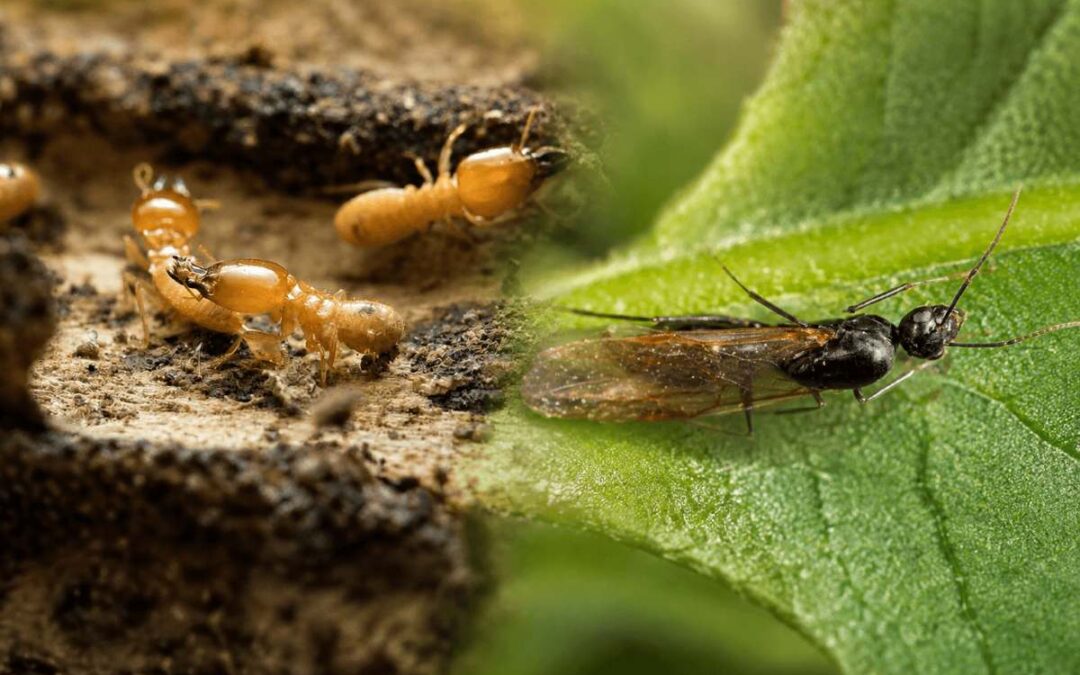
Flying Ants or Termites? How to Tell What Is Really Swarming Your Texas Home Keypoints: Flying ants and termite swarmers are both winged reproductive insects released during a mating flight, and they are triggered by nearly identical weather. The fastest way to tell...
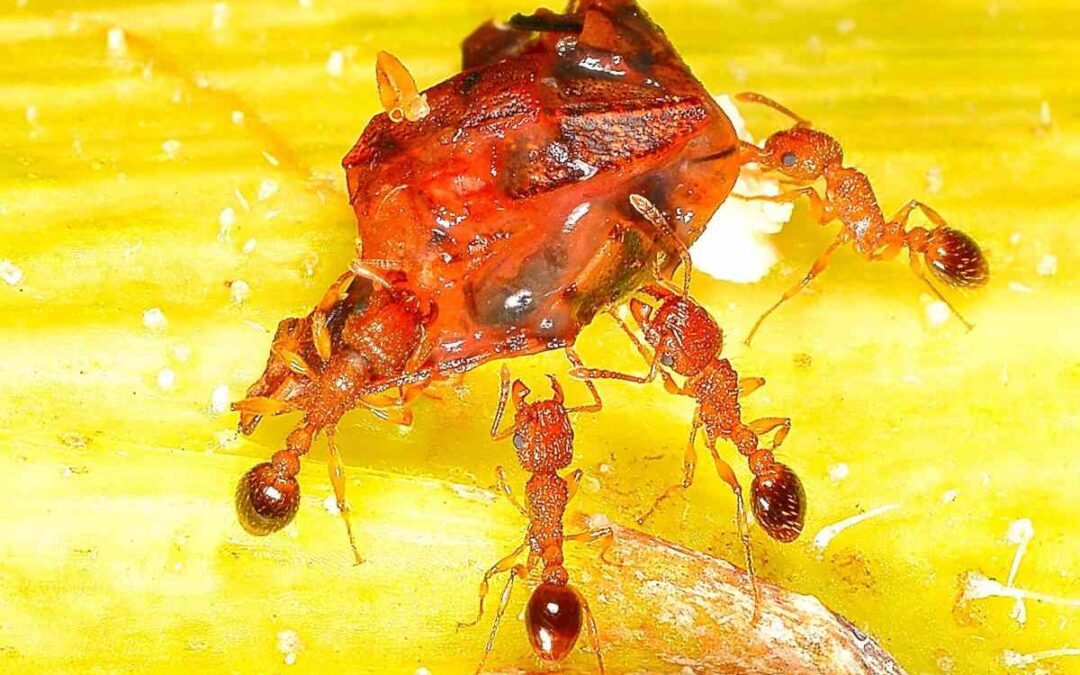
Fire Ants in Texas: What Every Homeowner Needs to Know Keypoints: Fire ant mounds are loose, dome-shaped, and have no visible entry hole, unlike most other ant mounds. Mounds often seem to appear overnight after rain, but the colony was likely there all along, just...
The Truth About Vinegar and Ants: Why DIY Remediation Falls Short for Texas Properties Keypoints: Vinegar is a Temporary Disruptor: While vinegar disrupts pheromone trails, it does not destroy the colony or kill ants instantly en masse. Texas Pest Pressure is High:...
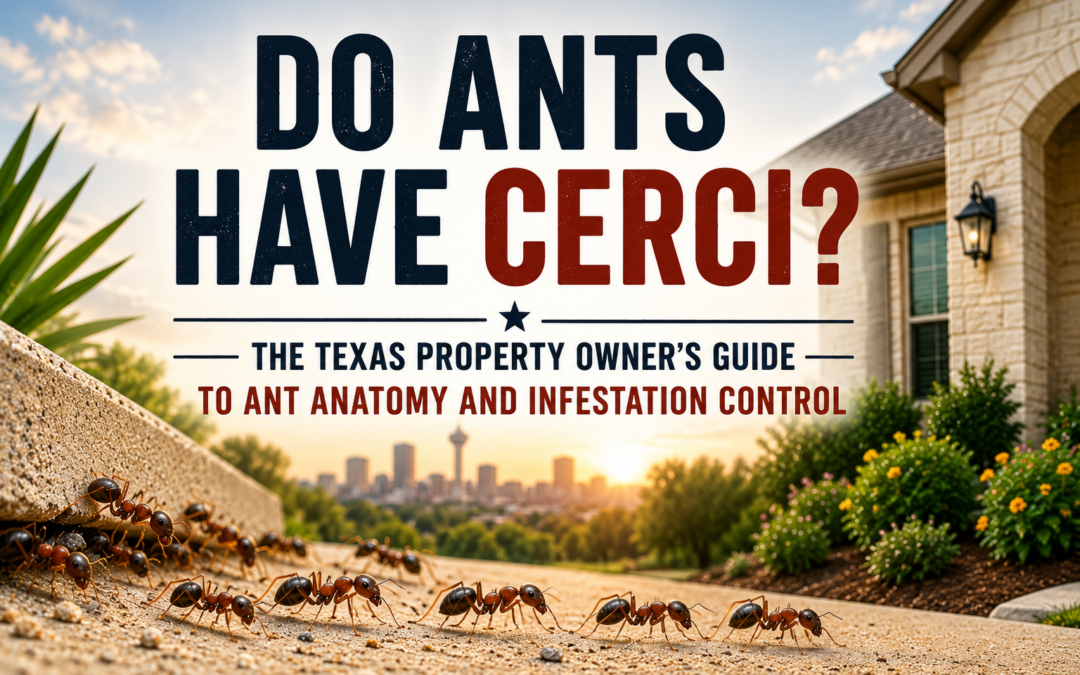
Do Ants Have Cerci? The Texas Property Owner’s Guide to Ant Anatomy and Infestation Control Keypoints: Anatomy Distinction: Ants do not have cerci; observing rear appendages can help you distinguish ants from pests like roaches or earwigs. Texas Climate Pressure:...
The Sour Truth: Can Vinegar Really Kill Ants in Texas Properties? Keypoints: Temporary Fix vs. Long-Term Cure: Vinegar disrupts ant trails and can kill individual ants on contact, but it does not destroy the underground colony or the queen. Texas Climate Challenges:...