What Actually Happens When a Beeline Technician Comes to Your House Keypoints: A professional pest control visit involves more than spraying and leaving. A thorough inspection identifies the conditions actually causing a pest problem, not just the bugs visible on the...
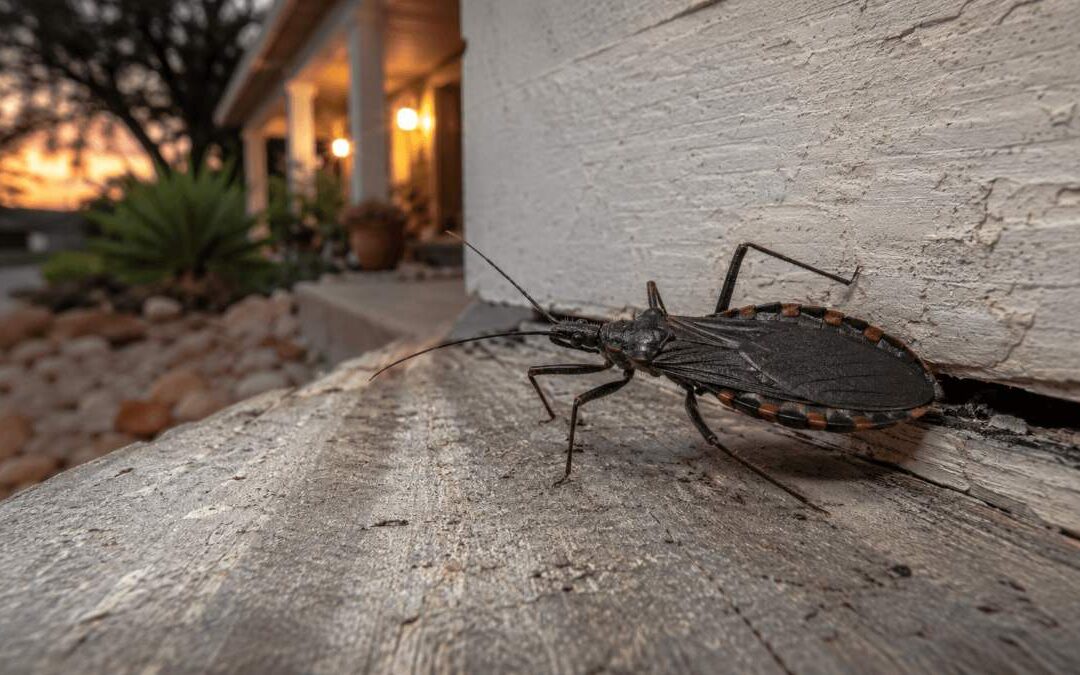
Kissing Bugs and Chagas Disease in Texas: What Homeowners Need to Know Keypoints: Kissing bugs live throughout Texas, and a recent study from the University of Texas at El Paso and Texas A&M AgriLife found rising rates of the parasite that causes Chagas disease in...
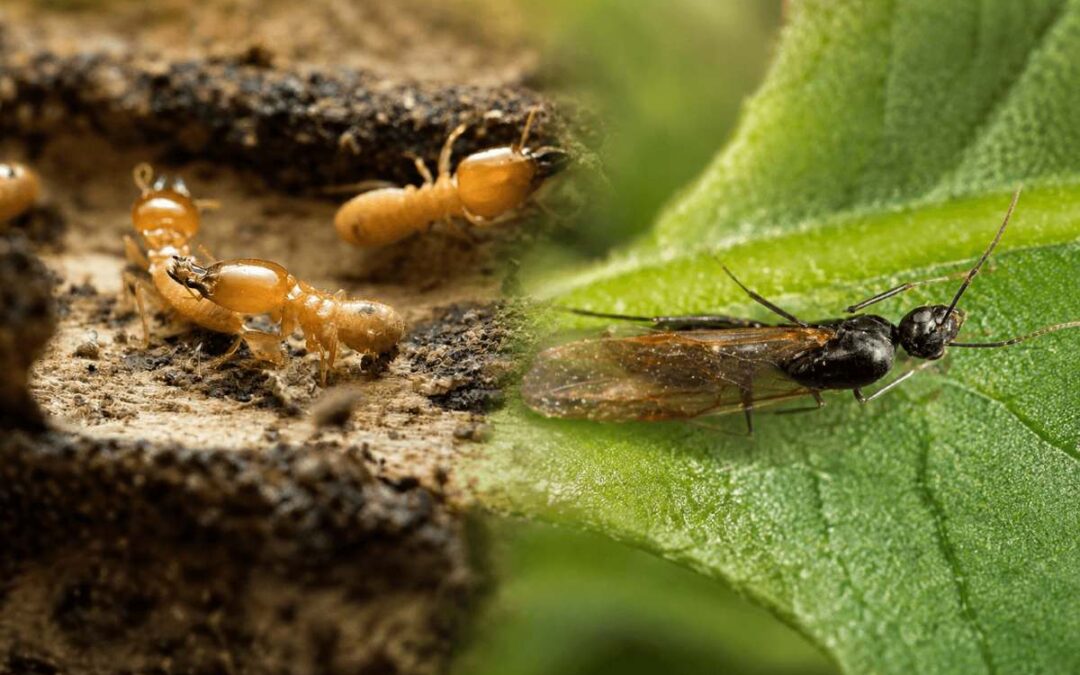
Flying Ants or Termites? How to Tell What Is Really Swarming Your Texas Home Keypoints: Flying ants and termite swarmers are both winged reproductive insects released during a mating flight, and they are triggered by nearly identical weather. The fastest way to tell...
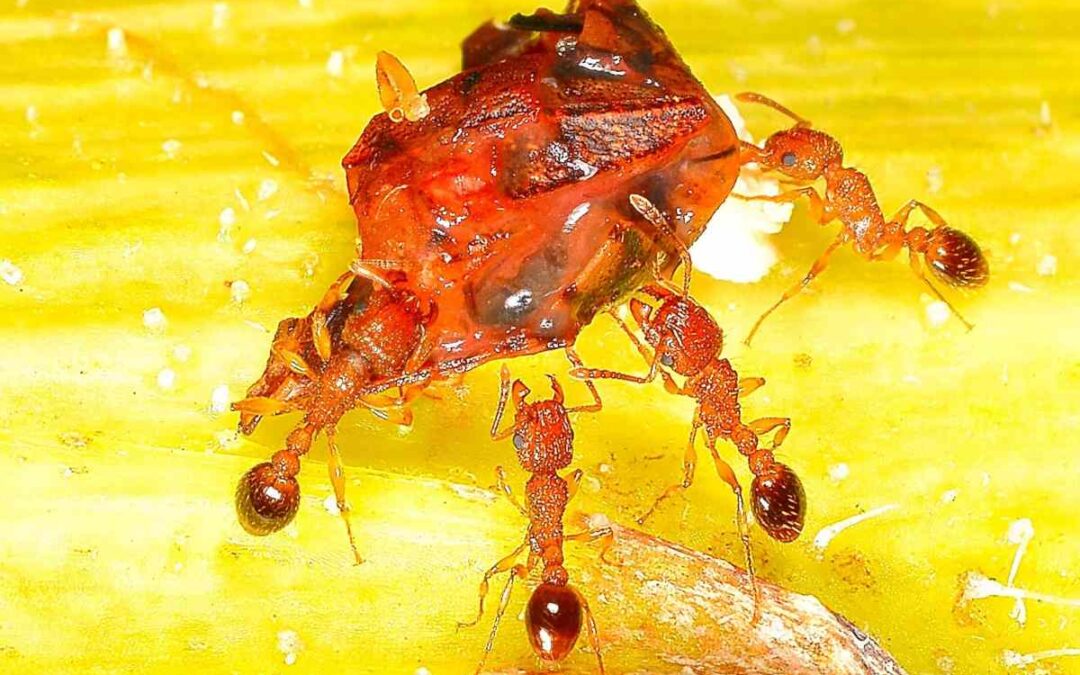
Fire Ants in Texas: What Every Homeowner Needs to Know Keypoints: Fire ant mounds are loose, dome-shaped, and have no visible entry hole, unlike most other ant mounds. Mounds often seem to appear overnight after rain, but the colony was likely there all along, just...
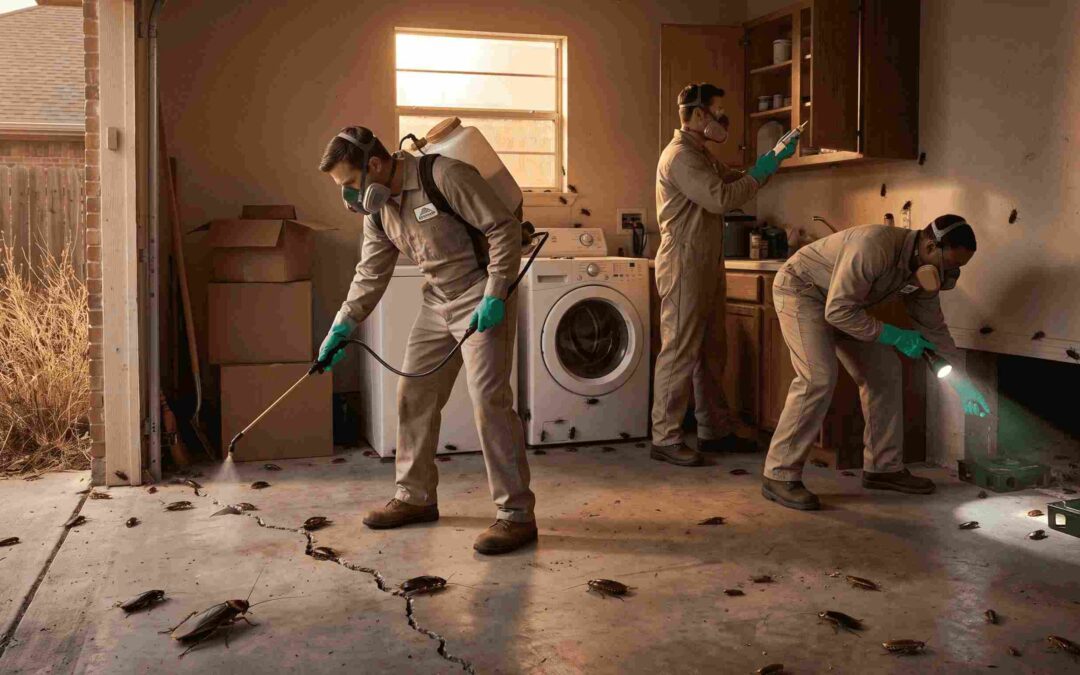
The Professional Blueprint: How Exterminators Knock Out Texas Cockroach Infestations Keypoints: Targeted Elimination: Professional exterminators use specialized baits and growth regulators instead of generic sprays. The Environmental Shift: Heat, intense humidity, and...
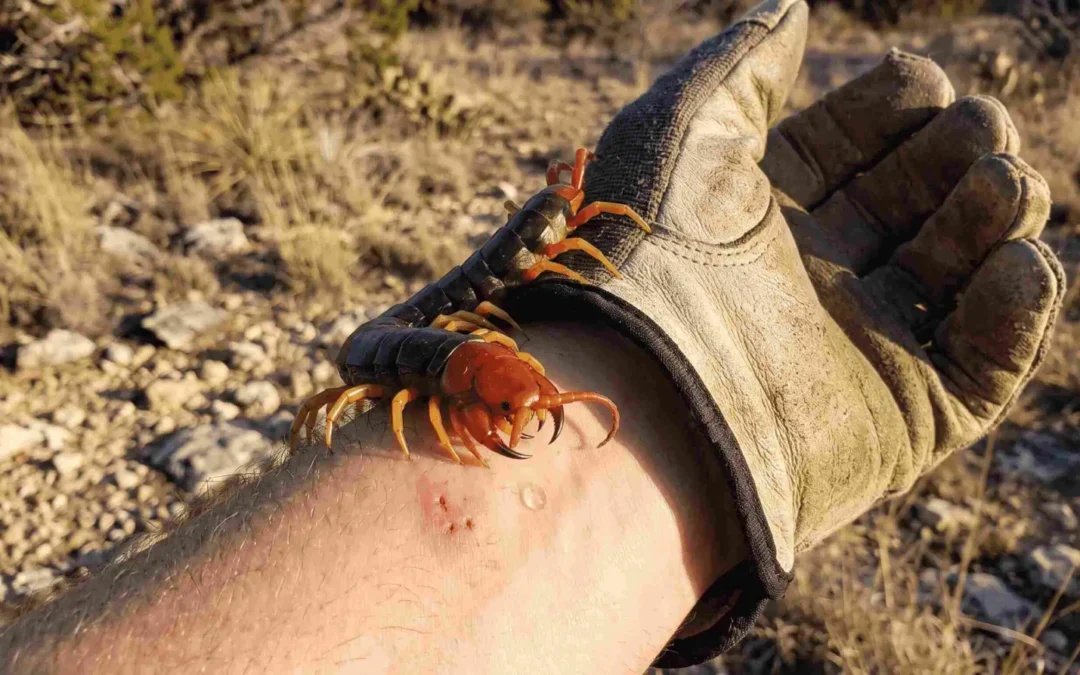
The Truth About Texas Centipede Bites: Identification, Venom, and Expert Protection Keypoints: The Bite vs. Sting Reality: Centipedes don’t actually bite with teeth; they pinch and inject venom using specialized front legs called forcipules. Varying Risks:...