
Texas Spider Identification: Defending Your Property From Eight-Legged Invaders
Keypoints:
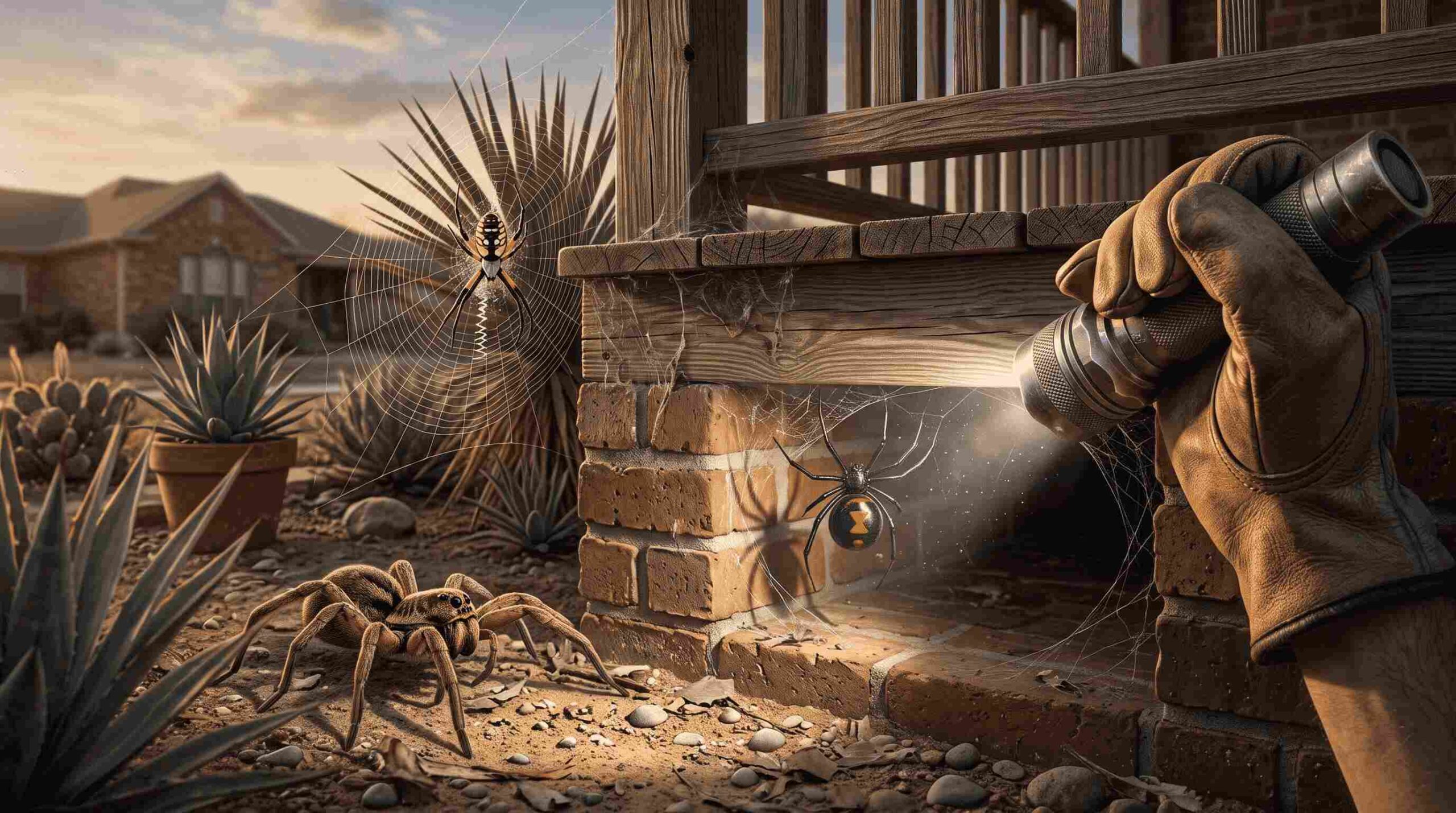
- High Species Diversity: Texas is home to nearly 1,000 distinct spider species, ranging from completely harmless garden inhabitants to medically significant threats.
- Climate-Driven Invasions: Scorching summer heatwaves and heavy seasonal rains regularly force foraging spiders indoors seeking moisture and insect prey.
- Distinct Property Risks: While homeowners worry about venomous bites near children and pets, business owners face severe reputational damage and regulatory compliance issues from visible webs.
- Proactive Perimeter Defense: Sustained, professional barrier treatments are the most reliable method for eliminating web-building arachnids and their food sources.
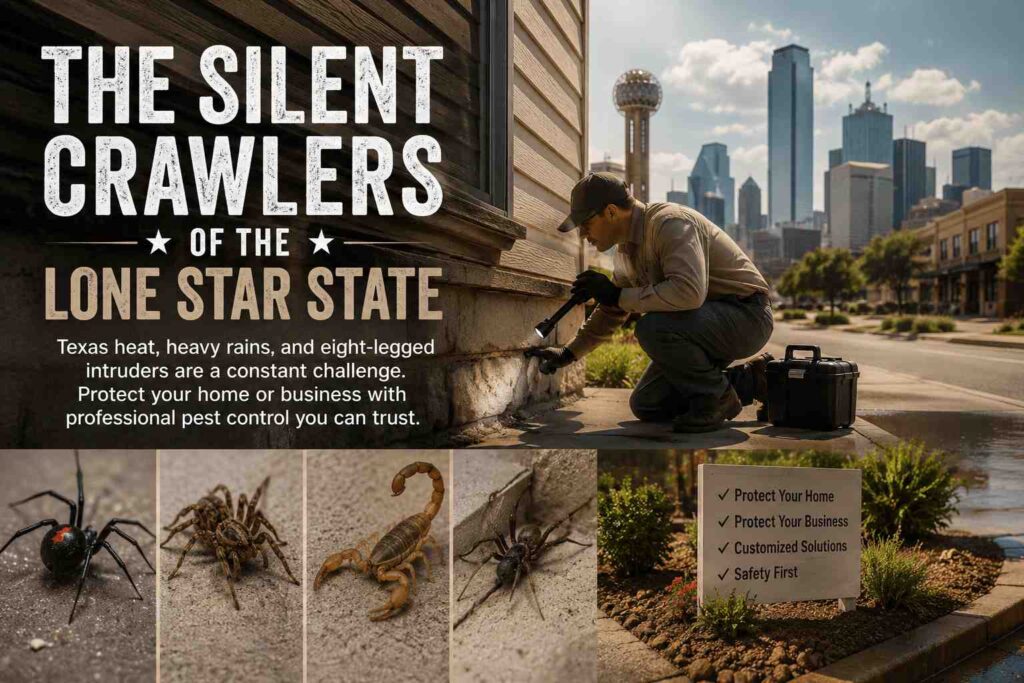
Owning property in the Lone Star State comes with an undeniable sense of pride, but the local environment introduces a unique set of management challenges. From scorching summer heat waves to sudden, intense downpours, the regional climate keeps property owners constantly on their toes. Amid these fluctuating weather conditions, arachnids and crawling insects quietly look for ways to breach your building’s perimeter. For both residential neighborhoods and bustling commercial districts, managing these eight-legged invaders is a critical component of property maintenance.
When it comes to securing a comfortable, web-free environment, relying on professional pest control services that Texas property owners trust is essential. The diverse nature of local arachnid populations means that identifying whether a crawler is a helpful garden visitor or a dangerous intruder can be incredibly difficult for an untrained eye. At Texas Beeline, we specialize in providing tailored, safety-conscious solutions that protect your family, your customers, and your hard-earned investments from the ground up.
The Climate Connection
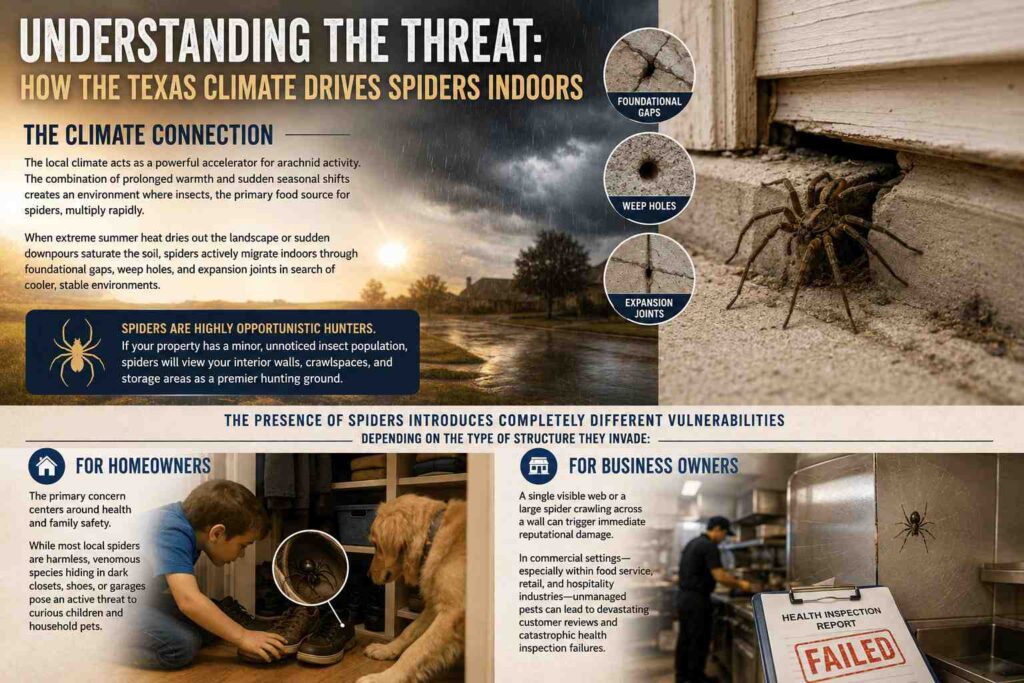
The local climate acts as a powerful accelerator for arachnid activity. The combination of prolonged warmth and sudden seasonal shifts creates an environment where insects, the primary food source for spiders, multiply rapidly. When extreme summer heat dries out the landscape or sudden downpours saturate the soil, spiders actively migrate indoors through foundational gaps, weep holes, and expansion joints in search of cooler, stable environments.
Spiders are highly opportunistic hunters. If your property has a minor, unnoticed insect population, spiders will view your interior walls, crawlspaces, and storage areas as a premier hunting ground.
The presence of spiders introduces completely different vulnerabilities depending on the type of structure they invade:
- For Homeowners: The primary concern centers around health and family safety. While most local spiders are harmless, venomous species hiding in dark closets, shoes, or garages pose an active threat to curious children and household pets.
- For Business Owners: A single visible web or a large spider crawling across a wall can trigger immediate reputational damage. In commercial settings especially within food service, retail, and hospitality industries unmanaged pests can lead to devastating customer reviews and catastrophic health inspection failures.
Unmasking the Arachnid Population: What is the Most Common Spider in Texas?
The Pervasive Texas House Spider
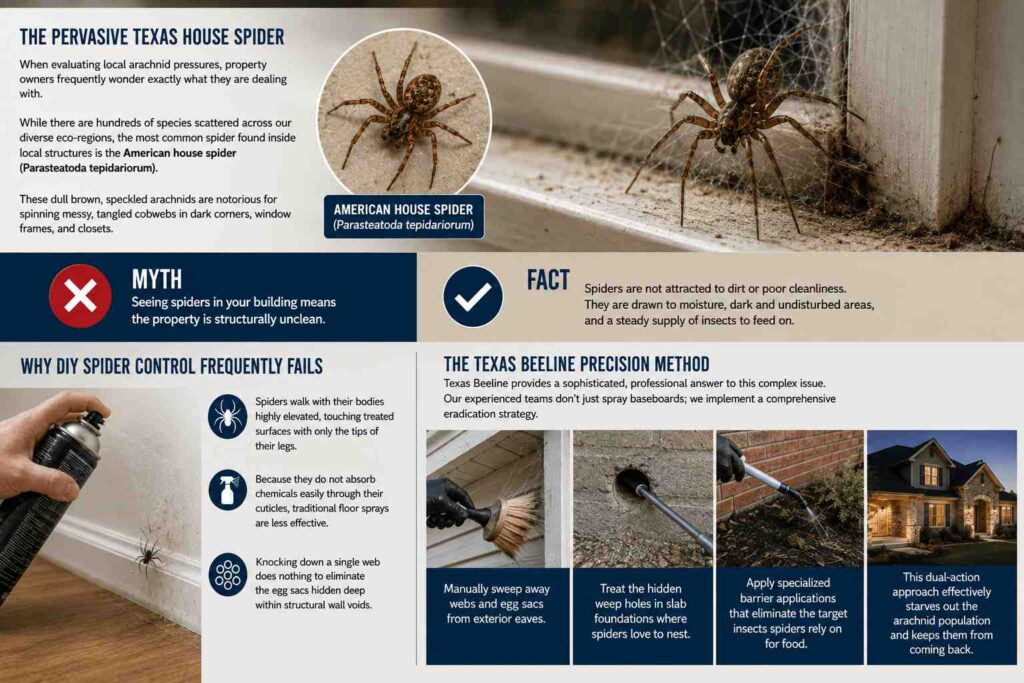
When evaluating local arachnid pressures, property owners frequently wonder exactly what they are dealing with. While there are hundreds of species scattered across our diverse eco-regions, the most common spider found inside local structures is the American house spider (Parasteatoda tepidariorum). These dull brown, speckled arachnids are notorious for spinning messy, tangled cobwebs in dark corners, window frames, and closets.
|
Myth |
Fact |
|
Seeing spiders in your building means the property is structurally unclean. |
Spiders are not attracted to dirt or poor cleanliness. They are drawn to moisture, dark and undisturbed areas, and a steady supply of insects to feed on. |
Why DIY Spider Control Frequently Fails
Attempting to clear out a heavy spider presence using retail bug sprays or hardware store foggers rarely yields long-term results. Spiders walk with their bodies highly elevated, touching treated surfaces with only the tips of their legs. Because they do not absorb chemicals easily through their cuticles, traditional floor sprays are less effective. Instead, professional control relies on targeted direct applications and removing the insects they ingest during their regular leg-grooming routines. Furthermore, knocking down a single web does nothing to eliminate the egg sacs hidden deep within structural wall voids.
The Texas Beeline Precision Method
Texas Beeline provides a sophisticated, professional answer to this complex issue. Our experienced teams don’t just spray baseboards; we implement a comprehensive eradication strategy. We manually sweep away webs and egg sacs from exterior eaves, treat the hidden weep holes in slab foundations where spiders love to nest, and apply specialized barrier applications that eliminate the target insects spiders rely on for food. This dual-action approach effectively starves out the arachnid population and keeps them from coming back.
Connected Concerns: What Property Owners Ask Most
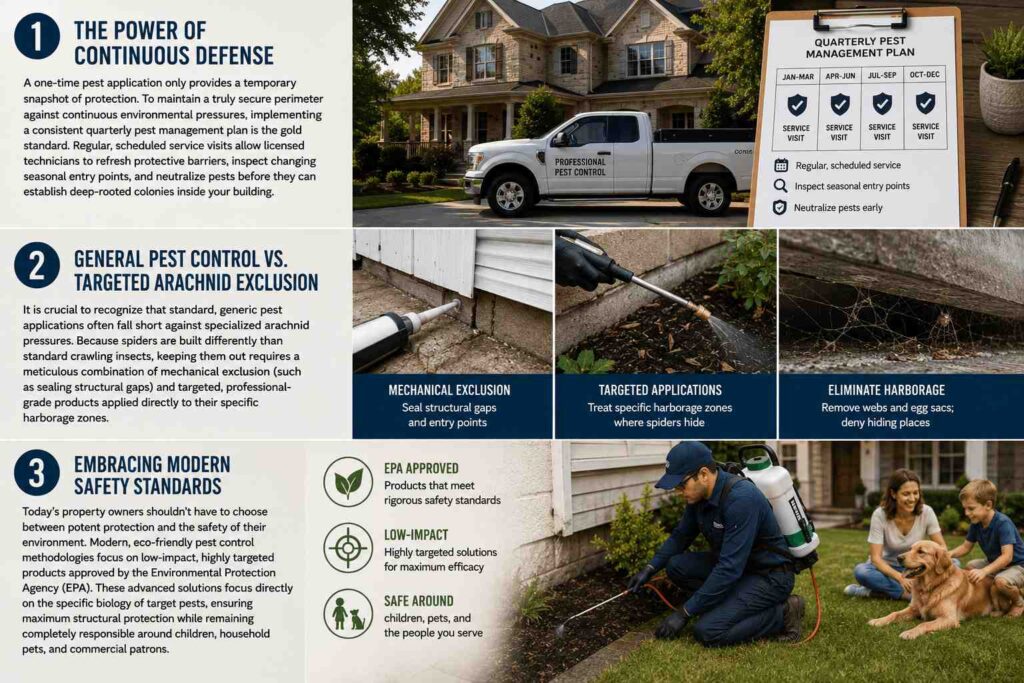
When dealing with crawling pests, property owners look for comprehensive protection that covers all bases. Understanding how different management strategies interact is key to maintaining a secure property.
1. The Power of Continuous Defense
A one-time pest application only provides a temporary snapshot of protection. To maintain a truly secure perimeter against continuous environmental pressures, implementing a consistent quarterly pest management plan is the gold standard. Regular, scheduled service visits allow licensed technicians to refresh protective barriers, inspect changing seasonal entry points, and neutralize pests before they can establish deep-rooted colonies inside your building.
2. General Pest Control vs. Targeted Arachnid Exclusion
It is crucial to recognize that standard, generic pest applications often fall short against specialized arachnid pressures. Because spiders are built differently than standard crawling insects, keeping them out requires a meticulous combination of mechanical exclusion (such as sealing structural gaps) and targeted, professional-grade products applied directly to their specific harborage zones.
3. Embracing Modern Safety Standards
Today’s property owners shouldn’t have to choose between potent protection and the safety of their environment. Modern, eco-friendly pest control methodologies focus on low-impact, highly targeted products approved by the Environmental Protection Agency (EPA). These advanced solutions focus directly on the specific biology of target pests, ensuring maximum structural protection while remaining completely responsible around children, household pets, and commercial patrons.
DIY vs. Expert Protection with Texas Beeline
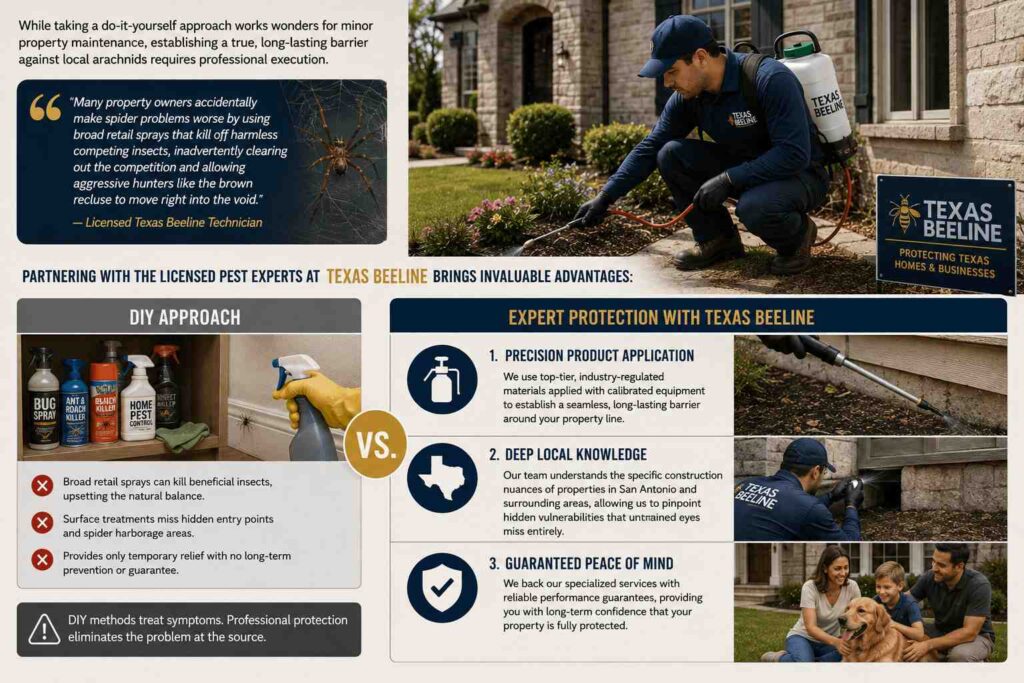
While taking a do-it-yourself approach works wonders for minor property maintenance, establishing a true, long-lasting barrier against local arachnids requires professional execution.
Expert Quote: “Many property owners accidentally make spider problems worse by using broad retail sprays that kill off harmless competing insects, inadvertently clearing out the competition and allowing aggressive hunters like the brown recluse to move right into the void.” – Licensed Texas Beeline Technician
Partnering with the licensed pest experts at Texas Beeline brings invaluable advantages:
- Precision Product Application: We use top-tier, industry-regulated materials applied with calibrated equipment to establish a seamless, long-lasting barrier around your property line.
- Deep Local Knowledge: Our team understands the specific construction nuances of properties in San Antonio and surrounding areas, allowing us to pinpoint hidden vulnerabilities that untrained eyes miss entirely.
- Guaranteed Peace of Mind: We back our specialized services with reliable performance guarantees, providing you with long-term confidence that your property is fully protected.
Texas Beeline Property Protection Plans
We recognize that every home and commercial facility has distinct needs. That is why we offer flexible, comprehensive protection tiers built to deliver maximum value and complete security.
- Quarterly Maintenance Program: Our signature year-round defense plan. A licensed technician services your property every three months, adapting the treatment to counter shifting seasonal pest pressures and maintaining an active, protective shield around your perimeter.
- Specialized Structural Treatments: High-precision liquid barriers and advanced monitoring systems designed specifically to eliminate underground wood-destroying colonies and prevent future target infestations.
- Commercial Protection Programs: Tailored, compliance-ready management plans built for businesses, focusing on rapid elimination, meticulous documentation, and discreet service designed to preserve your daily operations and reputation.
- Free Property Inspections: The crucial initial step. We conduct an exhaustive assessment of your property’s exterior, foundation, and potential entry points to design a customized roadmap for protection.

Safety and Compliance Assurance for All Properties
At Texas Beeline, your safety is our non-negotiable priority. We strictly utilize eco-friendly pest control materials that are meticulously registered by the EPA. Our technicians undergo ongoing training to apply these products with surgical precision, targeting only the pests themselves while completely respecting the health of your household, employees, and commercial guests.
Proactive Tips for a Pest-Free Environment
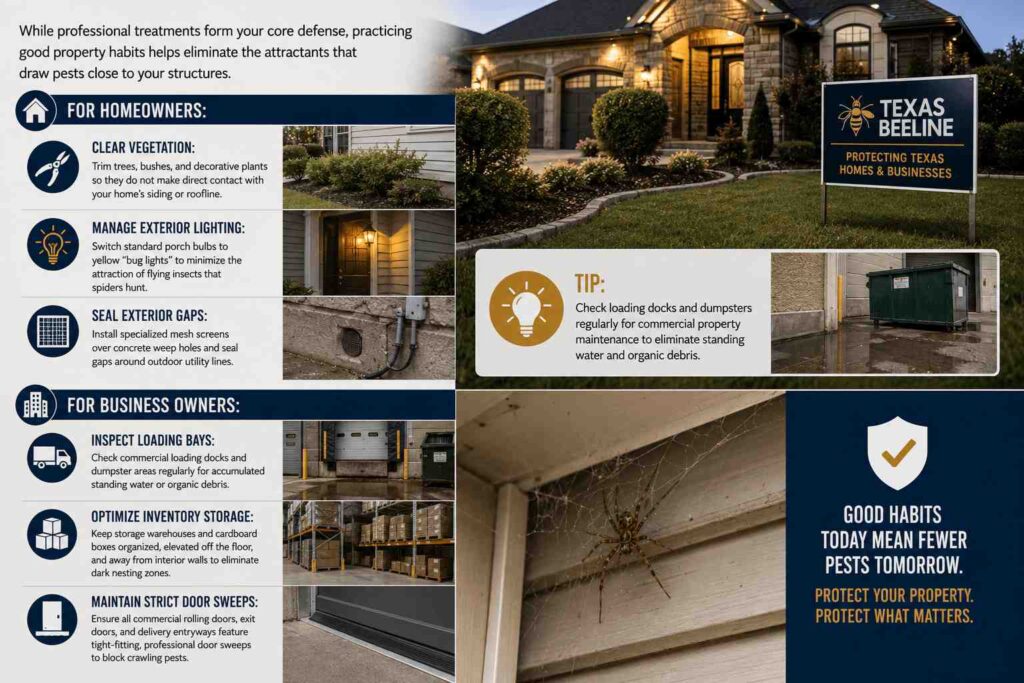
While professional treatments form your core defense, practicing good property habits helps eliminate the attractants that draw pests close to your structures.
For Homeowners:
- Clear Vegetation: Trim trees, bushes, and decorative plants so they do not make direct contact with your home’s siding or roofline.
- Manage Exterior Lighting: Switch standard porch bulbs to yellow “bug lights” to minimize the attraction of flying insects that spiders hunt.
- Seal Exterior Gaps: Install specialized mesh screens over concrete weep holes and seal gaps around outdoor utility lines.
Tip: Check loading docks and dumpsters regularly for commercial property maintenance to eliminate standing water and organic debris.
For Business Owners:
- Inspect Loading Bays: Check commercial loading docks and dumpster areas regularly for accumulated standing water or organic debris.
- Optimize Inventory Storage: Keep storage warehouses and cardboard boxes organized, elevated off the floor, and away from interior walls to eliminate dark nesting zones.
- Maintain Strict Door Sweeps: Ensure all commercial rolling doors, exit doors, and delivery entryways feature tight-fitting, professional door sweeps to block crawling pests.
Conclusion: Partner with Texas Beeline for Lasting Peace of Mind
Protecting your property from the persistent pressure of local pests requires a proactive, knowledgeable ally. Leaving your home or business vulnerable to unmanaged insect and arachnid populations can result in an uncomfortable living environment, loss of customer trust, and severe financial loss. Investing in professional, locally focused protection is the smartest way to safeguard your family’s future and ensure your business’s long-term commercial success.
Don’t let pests take over, Call us today for expert pest control! Texas Beeline provides premium pest control services in San Antonio, Universal City, Converse, Castle Hills, Alamo Heights, Cibolo, and other areas in Texas. To find out more about our residential pest control services and commercial pest control San Antonio solutions, visit our Contact Us page, fill out our convenient online form, or call our local team directly at 210-739-1320 to book your free inspection today.
Avoid Costly Pest Control Mistakes!
Don’t let DIY errors cost you more in the long run! Beeline Pest Control of Texas provides expert inspections and science-based solutions to correct common pest control mistakes to avoid. Protect your San Antonio home with a customized plan that gets rid of pests for good!
No Hidden Charges
Frequently Asked Questions
How many breeds of spiders are there?
Globally, scientists have identified and cataloged over 50,000 distinct species of spiders, rather than “breeds.” These species span across dozens of diverse taxonomic families, adapted to live in almost every terrestrial environment on Earth. For professional identification and management of the species invading your specific property, Texas Beeline is always ready to assist.
How many spiders are in Texas?
Texas is home to nearly 1,000 distinct species of spiders, making it one of the most arachnid-diverse states in the entire country. The vast landscape, warm climate, and varied eco-regions allow populations of both harmless garden spiders and medically significant species to thrive. Texas Beeline provides specialized perimeter services to keep this extensive local population safely outside your building.
What is a brown spider with a black stripe on its back?
A brown spider featuring a prominent dark or black stripe down its back is most frequently identified as a Wolf Spider (Lycosidae) or a Grass Spider (Agelenidae). These are fast-moving, ground-dwelling hunters that do not spin traditional capture webs and are generally harmless to humans. If these striped invaders are frequently slipping inside your home, contact Texas Beeline to establish a secure perimeter barrier.
What kind of spider makes a cocoon?
While all spiders spin silk, many species such as Garden Spiders (Argiope) and Cobweb Spiders create silk egg sacs or “cocoons” specifically to protect their developing eggs from predators and weather. Additionally, funnel weavers and trapdoor spiders spin thick silk retreats that resemble protective cocoons for themselves. Texas Beeline sweeps away these unsightly silk structures and egg sacs as part of our comprehensive maintenance services.
What kind of spiders are in Kentucky?
Kentucky is home to an array of common arachnids, including harmless common house spiders, wolf spiders, fishing spiders, and orb weavers. The state also hosts two medically significant species: the Northern Black Widow and the Brown Recluse. While Texas Beeline primarily serves Texas properties, our commercial and residential structural defense methodologies align with national pest management safety standards.
What kind of spiders are white?
Spiders that appear white or translucent are often White Banded Crab Spiders (Misumenoides formosipes), which can actively change color to blend into flowers, or newly molted spiders that have just shed their old skeletons. Some indoor species, like the long-bodied cellar spider, can also appear pale or nearly white. If you are noticing strange or unusual arachnids inside your building, the team at Texas Beeline can provide accurate identification and targeted treatment.
What spiders are in Kentucky?
The baseline spider population in Kentucky includes cellar spiders, jumping spiders, nursery web spiders, and crab spiders, alongside venomous brown recluses and black widows. These pests thrive in Kentucky’s seasonal climate, moving closer to structures during weather extremes. For comprehensive regional protection tailored to local geographic pest pressures, trust specialized services from companies like Texas Beeline.
What is the most common house spider?
The most common house spider in North America is the American House Spider (Parasteatoda tepidariorum), known for creating the classic, tangled cobwebs found in corners and window frames. These spiders are generally harmless and focus entirely on catching small flying insects. Texas Beeline effectively controls these pervasive pests by removing their webs and eliminating their indoor food supply.
What are the most common house spiders?
The group of arachnids most frequently found inside buildings includes the American house spider, cellar spiders (often called “daddy long-legs”), jumping spiders, and sac spiders. Most of these species enter structures strictly in search of prey, water, or dark, quiet shelter. Texas Beeline offers comprehensive protection plans designed to eliminate all common house spiders from your living and working spaces.
What is the most common spider?
Globally and structurally, spiders belonging to the Jumping Spider (Salticidae) and Orb Weaver (Araneidae) families are among the most numerous and frequently encountered. Indoors, cobweb-weaving species dominate residential and commercial properties alike. To keep these universally common pests out of your Texas property, Texas Beeline delivers reliable, targeted barrier solutions.
What is the most common spider in Texas?
The most common spider encountered inside Texas structures is the American House Spider, closely followed by various species of wolf spiders and cellar spiders. Due to the state’s warm climate, these species remain highly active throughout the year. Texas Beeline can design a customized maintenance plan to ensure these common Texas residents don’t take over your home or business.
What is the most harmless spider?
Spiders like the Cellar Spider (Pholcidae) and the common Jumping Spider are considered among the most harmless to humans due to their docile nature, weak venom, and specialized diet of smaller pests. These beneficial arachnids act as natural pest controllers in gardens and outdoor areas. If they begin overrunning your indoor spaces, however, Texas Beeline can safely re-establish your property boundaries.
What is the friendliest spider?
The Jumping Spider is widely regarded as the “friendliest” or most approachable spider due to its distinct, curious behavior, large expressive eyes, and lack of aggression toward humans. They are active daytime hunters that will often observe human movement rather than fleeing or biting. Even so, when jumping spiders gather in large numbers inside a business or home, Texas Beeline can help manage their presence professionally.
Which spider is worse, Black Widow or Brown Recluse?
Both spiders are medically significant, but the Black Widow is generally considered to possess a more potent, painful neurotoxic venom, whereas the Brown Recluse injects a hemotoxic venom that can cause localized tissue damage (necrosis). A bite from either species requires immediate medical attention, making professional prevention essential. Texas Beeline specializes in targeted exclusion and intensive treatments to keep these dangerous species far away from your property.
What is a gorilla spider?
“Gorilla spider” is not an official scientific classification, but rather a common regional slang term or colloquial name sometimes used to describe exceptionally large, hairy Wolf Spiders or native Texas Tarantulas. While their intimidating, fuzzy appearance can be deeply alarming, these large spiders are generally non-aggressive and possess mild venom. If massive, frightening spiders are disrupting your peace of mind, contact Texas Beeline for an immediate inspection and fast, professional eradication.