
Taking the Sting Out of the Lone Star State: Decoding the Texas Mosquito Problem
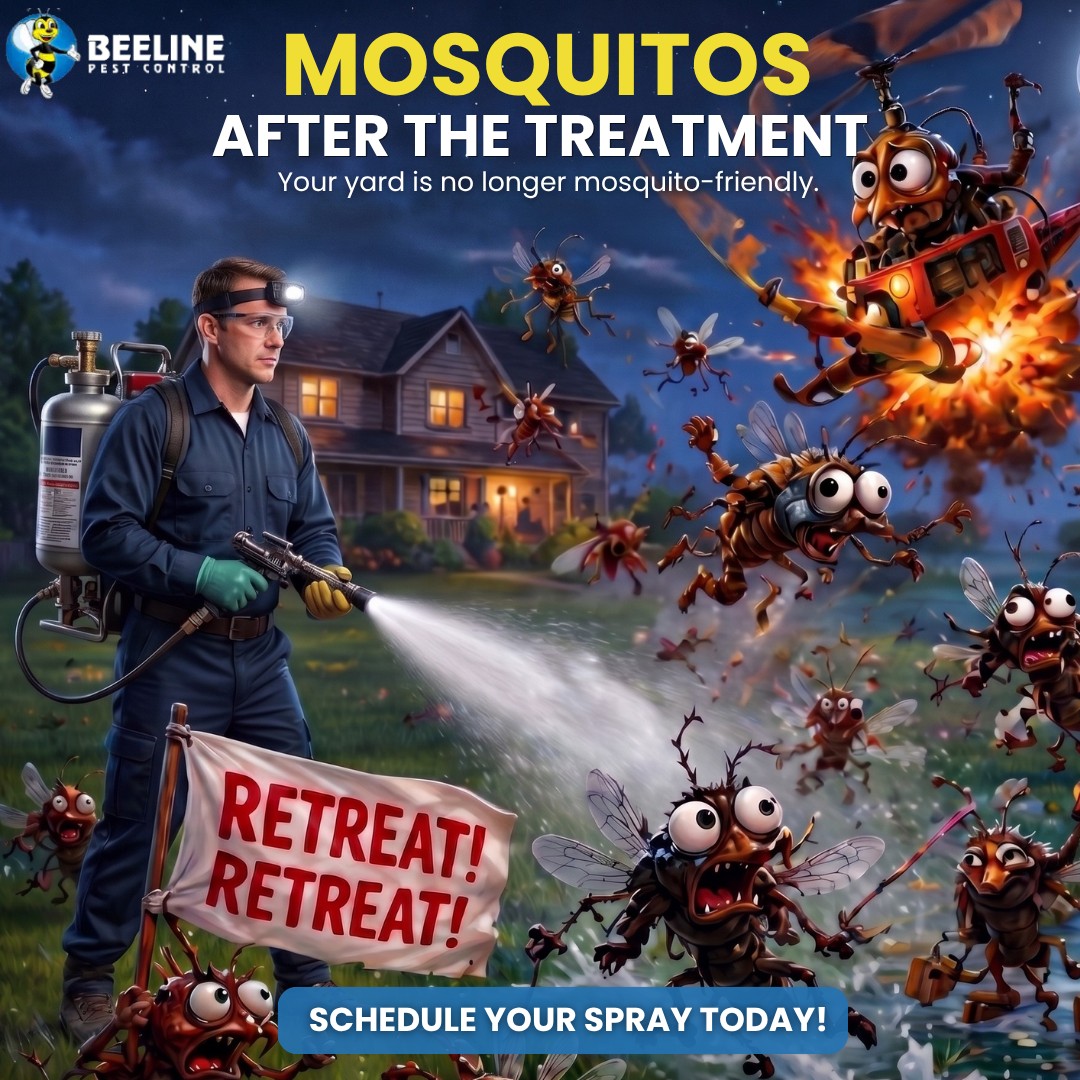
Keypoints:
- A Rising Climate Challenge: The volatile combination of intense Texas heat and sudden tropical downpours serves as an absolute accelerator for local mosquito breeding.
- Property-Wide Threat Dynamics: Beyond causing standard physical discomfort, mosquitoes present a severe financial risk to commercial operations and a major health risk to families.
- Why Traditional DIY Approaches Fail: Store-bought perimeter sprays and consumer foggers only touch the surface, leaving hidden structural breeding grounds completely active.
- The Texas Beeline Strategic Advantage: Tailored, eco-friendly systems built explicitly for the unique architectural and biological challenges found across South Texas.
Introduction: The Hidden Price of Texas Sunshine
There is nothing quite like a Texas sunset, but as any local homeowner or business operator will tell you, enjoying the outdoors often feels like a battle. The vibrant landscapes of South and Central Texas come with a persistent biological challenge: a hyper-aggressive insect population that thrives in our humid, warm environment. Whether you are hosting a weekend family gathering in Alamo Heights or managing an outdoor dining space in downtown San Antonio, flying pests can quickly disrupt your comfort and security.
For a homeowner, protecting your outdoor living areas means safeguarding the health of your children and domestic pets. For commercial enterprise owners, a visible infestation can instantly compromise your regulatory standing, invite negative reviews, and threaten your bottom line. Securing reliable pest control services Texas relies upon choosing a strategic partner that understands how our local climate directly influences pest behaviors.
Understanding the Threat: How the Texas Climate Drives Pests Indoors
The local environment acts as a natural incubator for invasive pests. When our signature heatwaves collide with sudden coastal rainstorms, the resulting humidity creates optimal breeding conditions. Data curated by the Texas A&M AgriLife Extension highlights how quickly local pest species adapt to shifting weather patterns, migrating directly toward residential structures and commercial spaces in search of moisture and shelter.
- Homeowner Vulnerabilities:
- Vectors for dangerous pathogens like West Nile virus and Zika virus.
- Severe degradation of patio, deck, and backyard living spaces.
- Painful allergic bite reactions, especially in young children.
- Business Owner Vulnerabilities:
- Severe health department fines and potential shutdown notices.
- Disrupted customer experiences on outdoor dining patios or entryways.
- Compromised warehouse inventory and employee health liabilities.
While a homeowner deals with the immediate threat to family wellness, a commercial property owner faces strict structural and legal exposures. A pest sighting inside a restaurant kitchen, a local retail boutique, or a distribution facility can cause significant reputational harm that takes years to correct.
Breaking Down the Reality of the Texas Mosquito Crisis
To understand why flying pests dominate our summers, we have to look closely at our local infrastructure. Texas properties face a structural challenge due to the massive volume of standing water generated by sudden downpours. From flat commercial roofing systems to standard residential lawn drainage, water pools easily, providing an ideal habitat for female insects to deposit their eggs.
The underlying risk extends far beyond simple physical annoyance. Mosquitoes are classified as dangerous disease vectors by global health agencies like the Centers for Disease Control and Prevention. When local populations swell, the risk of transmission for conditions like West Nile virus increases significantly.
Why DIY and In-House Efforts Fall Short
Many property owners attempt to resolve this issue by purchasing consumer-grade misting systems or retail bug sprays. These options typically fail because they offer temporary relief without addressing the source of the problem. They fail to treat the actual developmental hot spots: the standing moisture inside brick weep holes, the damp soil beneath heavy mulch beds, or the stagnant puddles hidden within commercial gutter configurations.
The Texas Beeline Resolution
Texas Beeline solves this complex problem by deploying an intelligent, multi-layered defense strategy. Instead of blindly blasting chemicals, our licensed technicians conduct a thorough structural sweep to identify and neutralize breeding sites. We utilize specialized source-reduction techniques and targeted larvicides that stop the next generation of pests from ever taking flight, ensuring your home or business remains a safe zone.
The Blueprint for Year-Round Structural Protection
Treating a property only after pests become visible is a reactive strategy that ensures you remain one step behind the reproductive cycle. Achieving authentic, lasting relief requires consistent quarterly pest management engineered to disrupt pest development before an infestation takes hold.
General vs. Specialized Pest Control
Standard general pest control creates a baseline chemical barrier around a structure to deter common crawling insects. However, unique regional threats such as destructive subterranean termites, crawling scorpions, and invasive flying insects demand highly specialized equipment, distinct application patterns, and advanced biological knowledge. Termite mitigation, for example, requires precision sub-slab injections rather than a simple perimeter spray.
Defining Truly Eco-Friendly Pest Control
Modern property owners want to protect their investments without introducing harsh, toxic elements into their immediate environment. Authentic eco-friendly pest control utilizes science-driven protocols to balance maximum eradication power with environmental safety.
- Myth vs Fact:
- Myth: Clean homes don’t get roaches or mosquitoes.
- Fact: Pests actively seek out raw water resources and shelter, which even immaculate properties provide after a heavy Texas downpour.
Weighing the Costs: DIY Risks vs. Expert Protection
Taking a hands-on, do-it-yourself approach to pest control frequently leads to frustrating cycles of re-infestation. Without professional-grade equipment and advanced training, property owners often misjudge application rates or miss hidden entry points entirely.
- The Consumer DIY Cycle:
- Brief, 48-hour insect knockdown followed by rapid pest return.
- Unintentional chemical runoff into local backyard landscapes.
- Overlooked reproductive zones in high-canopy trees or gutters.
- Escalating out-of-pocket costs on retail sprays that fail to yield results.
- The Texas Beeline Advantage:
- Long-lasting, weather-resistant residual defense boundaries.
- Environmental Protection Agency approved precision chemical dosing.
- Complete structural mapping performed by certified pest specialists.
- Fully guaranteed reapplications to preserve your peace of mind.
Our seasoned field teams bring extensive local knowledge directly to your doorstep. We know exactly how regional pests exploit the unique architecture of Texas slab foundations, how scorpions navigate through unprotected brick weep holes, and how roaches infiltrate commercial loading docks and storage facilities.
- Expert Insight from the Field:
- “True pest management relies on Integrated Pest Management, or IPM. By closely monitoring pest lifecycles and modifying environmental factors, we can utilize low-impact products registered by the EPA to secure a property safely without endangering children, pets, or restaurant patrons.” Licensed Technician, Texas Beeline
Custom Property Protection Plans by Texas Beeline
We do not believe in cookie-cutter pricing or generalized treatments. We construct every service protocol around the unique size, layout, and specific pest pressures of your real estate.
- Quarterly Maintenance Shield: Our premier defensive program. We return to your property every three months to refresh your perimeter barriers, altering our formulations to match shifting seasonal pest habits.
- Specialized Commercial Protocols: Discretion-focused, rapid-response pest control built specifically to keep local restaurants, logistics hubs, and corporate offices in perfect compliance with state sanitation codes.
- Targeted Structural Interventions: Advanced baiting and exclusion systems engineered to eliminate heavy infestations of termites, fire ants, or rodents before they cause costly structural damage.
Every single plan kicks off with a comprehensive free inspection, allowing our team to analyze your property’s unique vulnerabilities before you spend a single dime.
Section 6: Safety and Compliance Assurance for All Properties
- Official Property Safety Standard:
- Every treatment solution utilized by Texas Beeline is strictly vetted, EPA-approved, and applied by certified professionals in exact accordance with federal safety mandates.
- Our specialized commercial protocols are built to align directly with OSHA, USDA, and local Texas health department regulations, providing complete safety for families, employees, and customers alike.
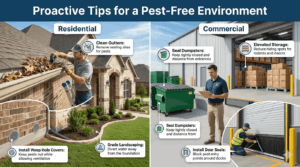
Proactive Tips for a Pest-Free Environment
While our professional treatments provide the heavy lifting, maintaining a clean perimeter helps maximize your defense between our scheduled quarterly visits.
For Homeowners:
- Clear the Gutters: Remove fallen leaves and debris from your roof gutters at least twice a year to prevent stagnant water from pooling.
- Screen Your Weep Holes: Install specialized, breathable mesh wire inserts into the weep holes along your brick foundation to block entry to scorpions and roaches.
- Fix the Grade: Ensure the soil around your concrete slab slopes away from the house to avoid pooling water against the foundation after heavy rains.
For Business Owners:
- Commercial Property Maintenance Tip: Check loading docks and dumpsters regularly for structural cracks, stagnant moisture pockets, or organic trash accumulation.
- Manage the Dumpsters: Keep commercial waste bins tightly sealed and positioned at least 50 feet away from primary customer or employee entrance doors.
- Elevate Inventory: Store raw materials and boxed inventory on metal pallets raised at least six inches off the floor to eliminate dark harborages.
- Seal Loading Docks: Install heavy-duty brush doors and weather stripping along loading dock bay doors to eliminate visible light gaps where pests creep in.
Conclusion: Reclaim Your Property Today
Don’t let aggressive Texas pests claim your property, disrupt your peace of mind, or ruin your hard-earned business reputation. Investing in local, professional pest management is the absolute best way to safeguard your health and secure your real estate investments.
Don’t let pests take over – Call us today for expert pest control! We provide pest control services in San Antonio, Universal City, Converse, Castle Hills, Alamo Heights, Cibolo, and other areas in Texas. To find out more about our residential pest control services and commercial pest control services, click the links or visit our Contact Us page and fill out our form, or call us at 210-739-1320. Let Texas Beeline show you what true, worry-free protection looks like!
Avoid Costly Pest Control Mistakes!
Don’t let DIY errors cost you more in the long run! Beeline Pest Control of Texas provides expert inspections and science-based solutions to correct common pest control mistakes to avoid. Protect your San Antonio home with a customized plan that gets rid of pests for good!
No Hidden Charges
Frequently Asked Questions
Is There a Mosquito Problem in Texas?
Yes, Texas faces a severe, structural mosquito problem driven by its subtropical climate, high humidity, and frequent seasonal rain patterns. These conditions allow various dangerous mosquito species to breed continuously throughout most of the year. Relying on professional services like Texas Beeline is essential to keeping these populations under control around your home or business.
What Kind of Mosquitoes Does Texas Have?
Texas is home to over 80 distinct mosquito species, but the most troublesome are the Aedes, Culex, and Anopheles genera. These specific groups are notorious for their aggressive biting habits and their biological capability to transmit dangerous viral diseases. Texas Beeline technicians are specifically trained to identify these different species and deploy targeted elimination protocols for each.
What Are Texas Mosquitoes Called?
While locals colloquially call them “the unofficial state bird” due to their massive size and abundance, the primary species causing issues are formally known as the Asian Tiger mosquito (Aedes albopictus), the Yellow Fever mosquito (Aedes aegypti), and the Southern House mosquito (Culex quinquefasciatus). No matter what you choose to call them, Texas Beeline has the advanced tools required to clear them off your property.
Which Texas Cities Have the Most Mosquitoes?
Densely populated metro areas with significant humidity—such as Houston, Dallas-Fort Worth, San Antonio, and Austin—consistently rank among the worst cities for mosquito activity in the nation. The combination of abundant urban breeding sites and warm temperatures causes populations to skyrocket in these areas. Texas Beeline provides dedicated, rapid-response services across the greater San Antonio region to counter this urban pressure.
How Quickly Can Mosquito Populations Grow in Texas?
Under ideal summer conditions, a female mosquito can lay hundreds of eggs at a time, which can transition from eggs to biting adults in as little as seven to ten days. This incredibly rapid life cycle is why a minor puddle can transform into a massive, overwhelming swarm in less than two weeks. Implementing a quarterly plan with Texas Beeline disrupts this lifecycle before the population can explode.
Why Are Texas Mosquitoes So Aggressive?
Certain local species, particularly the Asian Tiger mosquito, are daytime biters that exhibit highly persistent host-seeking behavior, meaning they will repeatedly attack humans and pets even when swatted away. Our long periods of intense heat accelerate their metabolic rates, making them feed more frequently and aggressively. Texas Beeline creates powerful residual barriers around your perimeter to stop these aggressive biters in their tracks.
When Is Mosquito Season in Texas?
While peak mosquito season typically spans from early spring in March through late autumn in November, the exact timeline depends entirely on rainfall and temperature fluctuations. In many parts of South and Central Texas, the season rarely experiences a true shutdown. Texas Beeline offers year-round monitoring to ensure your property remains protected through every seasonal shift.
Do Mosquitoes Stay Active Year-Round in Texas?
In the warmer southern regions of Texas, mild winter temperatures allow mosquitoes to remain semi-active or go into a brief state of dormancy called diapause rather than dying off completely. As soon as a winter day warms up past 50°F, adult mosquitoes will emerge immediately to look for a blood meal. Texas Beeline’s quarterly management program accounts for this winter resilience to prevent early spring spikes.
What Time of Day Are Mosquitoes Most Active in Texas?
While native species like the Southern House mosquito are primarily active during the twilight hours of dawn and dusk, invasive species like the Asian Tiger mosquito hunt actively all day long. This means Texas property owners face a double threat that spans a full 24-hour cycle. Texas Beeline uses specialized treatments designed to provide continuous protection regardless of the hour.
How Long Do Mosquitoes Live in Texas?
The average lifespan of an adult female mosquito ranges from two to four weeks depending on local predators and environmental humidity, while male mosquitoes generally survive for only a single week. However, because females lay multiple batches of eggs during their short lives, the population replaces itself faster than individuals die off naturally. Texas Beeline stops this cycle by utilizing larvicides that neutralize the eggs before they hatch.
Can Mosquitoes Survive Texas Heat?
Yes, though extreme, dry summer heat can cause mosquitoes to seek shelter during the hottest parts of the day in shaded areas like tall grass, under decks, or within dense landscaping brush. They use this resting time to conserve moisture before emerging to feed when temperatures cool down slightly. Texas Beeline targets these exact shaded harborages during our precision misting applications.
Why Are Mosquitoes Worse After It Rains?
Sudden downpours fill up countless hidden micro-habitats—such as clogged gutters, empty flower pots, and natural low spots in your lawn—with stagnant water, providing an immediate abundance of breeding grounds. Dormant eggs laid in dry soil also hatch simultaneously when triggered by fresh rainwater, causing a massive population spike within days. Scheduling a prompt inspection with Texas Beeline after heavy rains helps catch these blooms early.
Do Mosquitoes Prefer Certain People Over Others?
Yes, mosquitoes are highly attracted to specific chemical signatures, including elevated carbon dioxide emissions from heavy breathing, high body heat, lactic acid production, and even specific blood types like Type O. Since you cannot easily change your natural biology to avoid bites, modifying your immediate environment is your best defense. Turning to Texas Beeline ensures your property remains a safe haven, no matter who is visiting.
Are the pest treatments safe for my children, pets, or restaurant customers?
Yes, safety is our top priority at Texas Beeline, which is why we utilize low-toxicity, EPA-approved products applied strictly according to professional labels. Our Integrated Pest Management (IPM) techniques target pests precisely where they hide, keeping treatments out of reach of your family, pets, and patrons.
How often should I schedule pest control services for a home versus a commercial facility?
For most residential homes, a quarterly pest management plan provides an optimal, year-round protective barrier against changing seasonal pests. Commercial facilities, particularly food service or high-traffic retail environments, generally require monthly or bi-weekly services to maintain strict health department compliance.
What are the first signs of a termite infestation?
The earliest indicators of a subterranean termite presence include the appearance of pencil-thin mud tubes climbing up your concrete slab foundation, discarded insect wings near windowsills, or wood that sounds hollow when tapped. If you notice any of these red flags, it is critical to contact Texas Beeline immediately for a professional evaluation.
Why do I see more pests when it rains?
Heavy rain saturates the outdoor soil, forcing subterranean pests like fire ants and roaches out of their flooded nests to seek dry shelter inside your walls. Additionally, sudden downpours leave behind pocketed areas of standing water, creating immediate breeding grounds that cause mosquito populations to spike.
Can I do effective pest control myself?
While DIY retail products can knock down visible insects temporarily, they fail to reach the deep, structural breeding sanctuaries hidden inside walls, weep holes, and crawlspaces. Over-the-counter sprays also lack the long-term residual power of professional applications, frequently leading to frustrating, recurring infestations.
What is the difference between a one-time treatment and a quarterly plan?
A one-time treatment acts as emergency triage to eliminate an existing surge of insects, but its protective barrier degrades within a few weeks. A quarterly plan from Texas Beeline establishes a continuous, evolving shield around your property that breaks insect reproductive cycles permanently across all four seasons.
How long does it take to eliminate a roach or ant infestation?
A significant reduction in pest activity is typically visible within 24 to 48 hours of our initial targeted treatment. However, completely eradicating a deep-seated colony or baiting an entire roach population can take anywhere from a few days to two weeks, depending on the severity of the initial infestation.