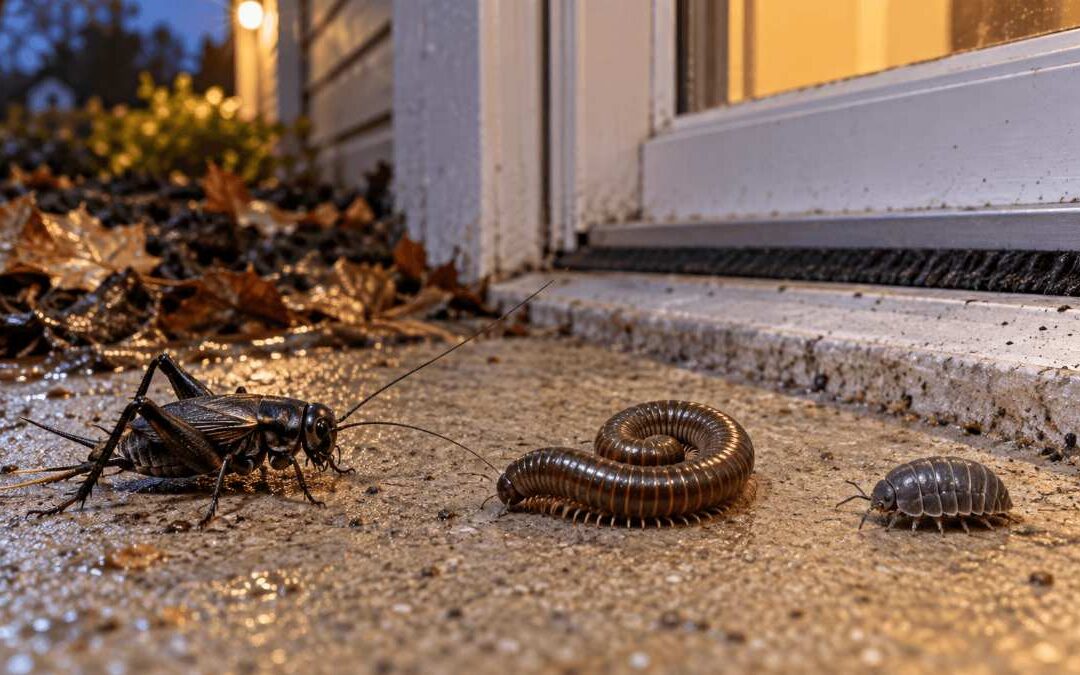
Crickets at Home, Millipedes and Pill Bugs: Why They Pour Every Fall Key Points Lights bring crickets. Field crickets peak in August and September and fly toward bright lights at night. Moisture brings millipedes and pill bugs. Heavy rain floods them out of the soil,...
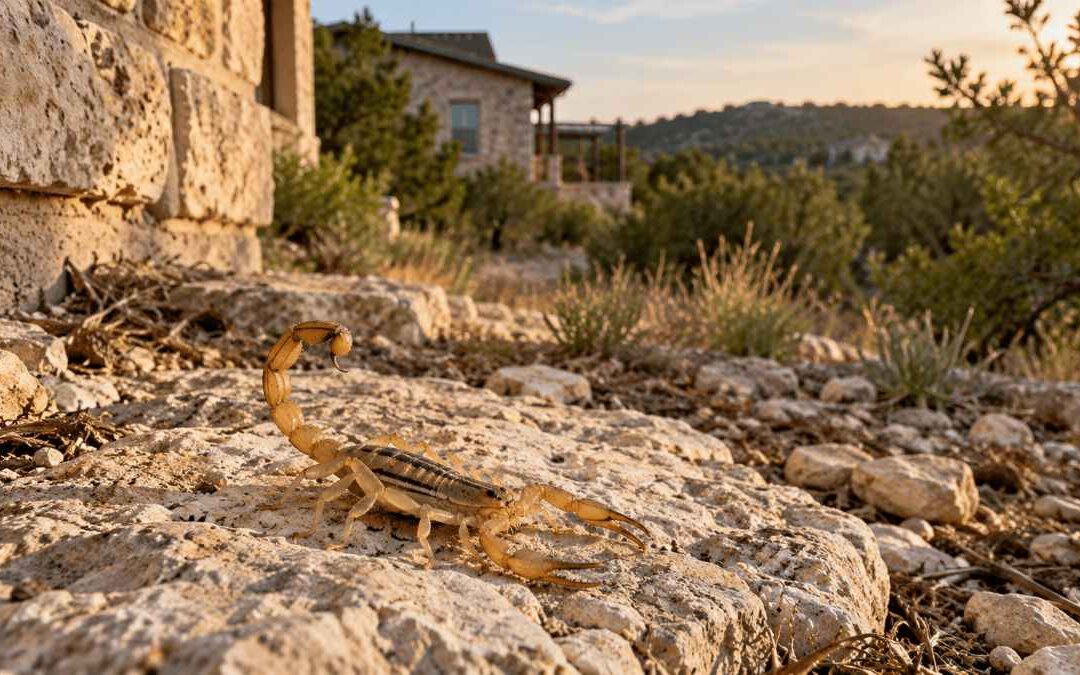
Scorpions in Helotes and the Hill Country: Why They Get More Key Points It’s almost always a striped bark scorpion. The sting hurts, but Texas A&M says no Texas scorpion is considered lethal. The land is the reason. Limestone, rock, and cedar woodland give...
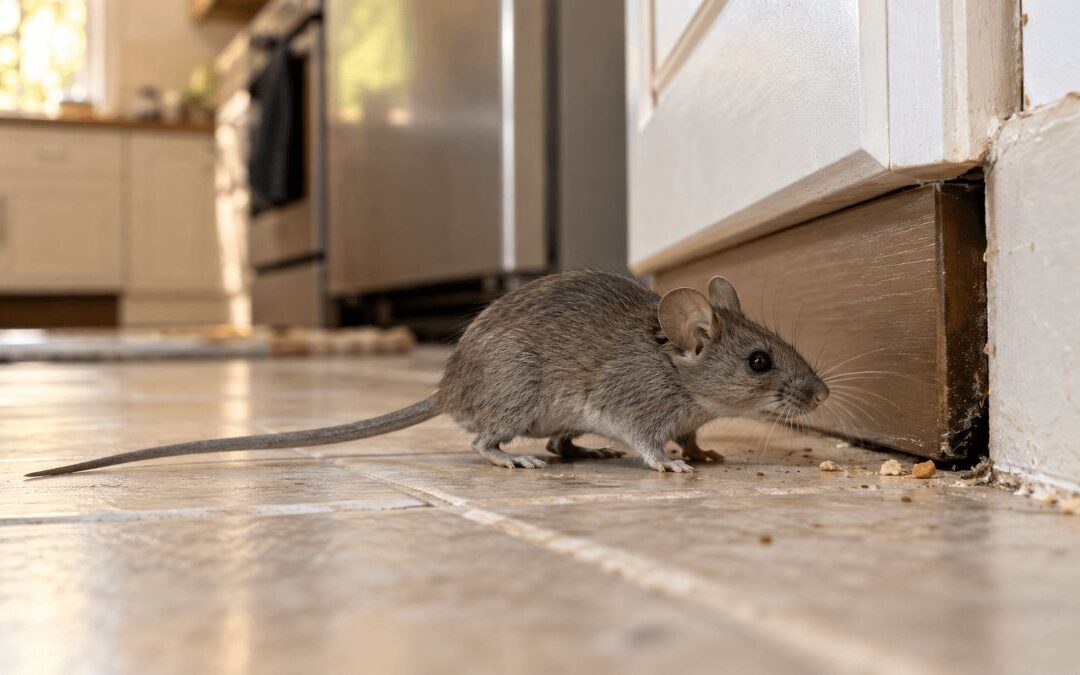
Texas House Mice: Identification, Risks, and Control Key Points House mice are gray all over, belly and tail included, with small eyes and ears. A brown mouse with a white belly and two-toned tail is a native deer or white-footed mouse, and it carries a different...
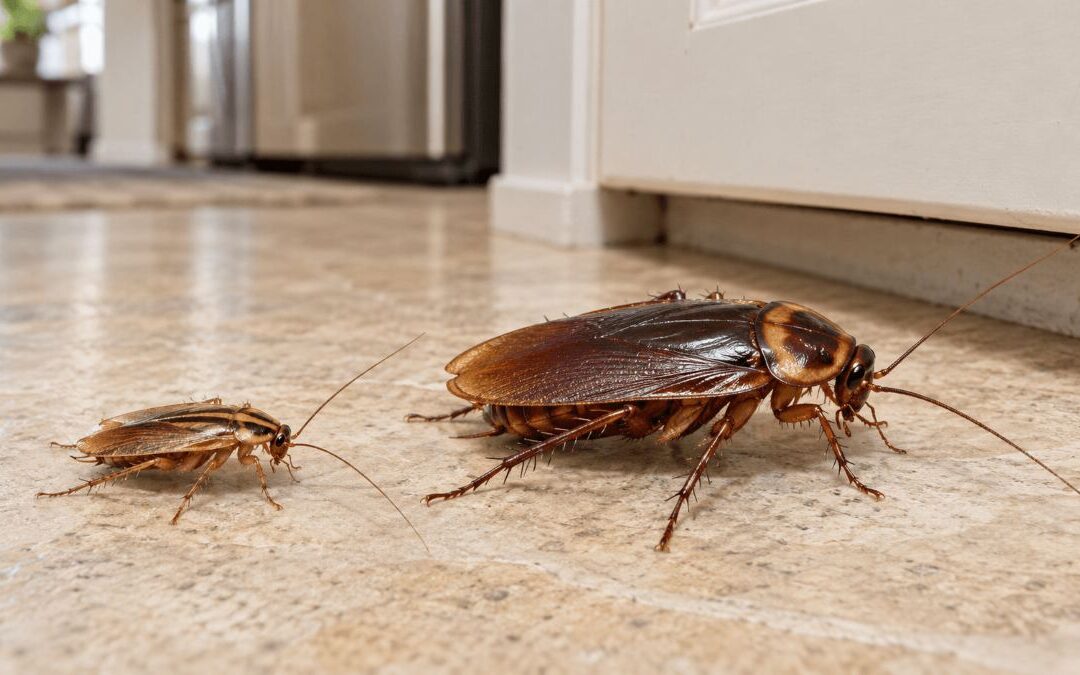
German vs. American Cockroach: Which One Is in Your Texas Home? Key Points Size is the fastest tell: German cockroaches are 1/2 to 5/8 inch long; American cockroaches are 1 1/2 to 2 inches. German roaches don’t live outdoors in Texas, so one in the kitchen...
Are Fire Ants Dangerous to Pets? What Texas Homeowners Should Know Keypoints: Fire ant stings are uncomfortable for pets but rarely dangerous on their own. A true allergic reaction is uncommon but serious and calls for immediate veterinary attention. Puppies, kittens,...
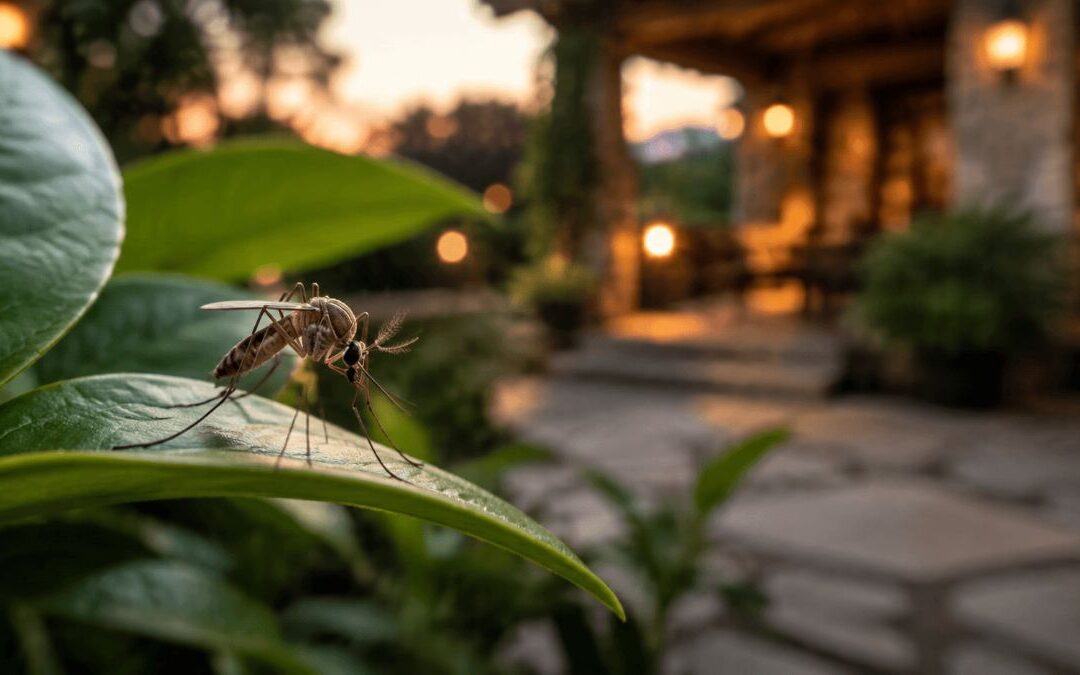
Why San Antonio Has Such a Bad Mosquito Season (and How to Fight Back) Keypoints: San Antonio’s heat, humidity, and rainy stretches create ideal mosquito breeding conditions for much of the year. Mosquito season here typically runs from March through November,...