Beeline Pest Control
Expert Pest Management Services by Texas Beeline
Beeline Pest Control services are a top choice for pest management in Texas, offering expert extermination solutions for termites, bed bugs, rats, and more.
No Hidden Charges
Texas favorite pest control company
for over 6 years!
We know dealing with a consistent stream of pests in your home is nothing short of annoying. Your home should be a place where you and your family can enjoy an environment of comfort and relaxation, but wasps, box elder bugs, spiders, mice, and rodents have a tendency to turn a relaxing home atmosphere into a high stress zone. Whether you’ve been bothered by a pest and rodent infestation for years, months, weeks, or even just a few days, we offer the clear solution to exterminate the pests and give you control of your home once more. We’ve been in business for years and our customers have nothing but good things to say about the quality and efficiency of our service. We challenge you to find out for yourself why we’re one of the most respected pest control companies currently operating in Texas.
Beeline Pest Control Service Areas
Launching in Idaho
Beeline Pest Control, a local family owned business, has done so well, that we expanded into Idaho in the Spring of 2023. Get your Idaho Pest Control needs taken care of with the same company you are used to using.
Recent Jobs in Our Service Area
Jorge Blanco
November 20th, 2025
November 20th, 2025
Reticulitermes flavipes, or the eastern subterranean termite, is a common and economically significant wood-destroying insect in the eastern United States. These termites live in colonies underground and feed on cellulose in wood, which can cause damage to structures. They are a major pest, but also play a role in nutrient recycling in natural environments.
Francisco Bueno
November 20th, 2025
November 20th, 2025
This Potter wasp was found during an exterior spraying. The Potter wasp builds tiny clay pots for their larvae, which they stock with paralyzed spiders for the young to feed on.
Julian Talamantez
November 19th, 2025
November 19th, 2025
Latrodectus is a broadly distributed genus of spiders informally called the widow spiders,[3] with several species that are commonly known as the true widows. This group is composed of those often loosely called black widow spiders, brown widow spiders, and similar spiders.
Jacob Johnson
November 19th, 2025
November 19th, 2025
The great ash sphinx moth caterpillar is a large, horn-like larva that feeds on plants like ash and lilac trees. It is typically green or bluish-green, with seven white, diagonal stripes on its sides, and a distinctive blue or greenish horn on its rear end. After reaching full size (up to 4 inches), it will burrow into the soil to pupate and eventually transform into the large, grayish-blue adult moth
Frank Delgado
November 19th, 2025
November 19th, 2025
The female Red-Shouldered Bug, is known for the red eyes and red shoulders and is usually considered a nuisance pest indoors. They do not bite people but can leave fecal matter which may stain walls, upholstery, and furniture.
Steven Alonzo
November 19th, 2025
November 19th, 2025
The longhorn crazy ant (Paratrechina longicornis) is a dark brown to black ant known for its erratic, jerky movements. It gets its name from its long antennae and its crazy running pattern.
Francisco Bueno
November 13th, 2025
November 13th, 2025
This bordered plant bug was found during an exterior spraying. The nymphs of Bordered plant bug engage in a unique behavior known as 'anting,' where they secrete a substance that attracts ants for symbiotic purposes.
Manuel Bravo
November 13th, 2025
November 13th, 2025
Boisea trivittata, also called the eastern boxelder bug,[1] box bug, or maple bug,[citation needed] is a species of true bug native to eastern North America. The western boxelder bug Boisea rubrolineata is a relative of this species and is native to western North America. Eastern boxelder bugs are found primarily on boxelder, other maples, and ash trees.
Jacob Johnson
November 13th, 2025
November 13th, 2025
The double kidney moth refers to the Polyphemus Moth, a large, tan-colored giant silk moth found in Texas that has prominent, purplish eyespots on its hindwings that resemble a kidney or eye.
Joseph Holland
November 12th, 2025
November 12th, 2025
Western Spotted Orb Weaver (Neoscona oaxacensis) — This spider is a common orb-weaving species found throughout the western United States, including Texas. It builds large, circular webs in gardens, trees, and around lights where it catches flying insects. Despite its intimidating appearance, it’s harmless to humans.
Interesting fact: The Western Spotted Orb Weaver rebuilds its web almost every evening, eating the old silk to recycle its protein before spinning a fresh one for the night’s hunt.
Julian Talamantez
November 12th, 2025
November 12th, 2025
The only Peucetia species to occur in the United States, apart from P. viridans (which occurs in the south from coast to coast) is P. longipalpis, which occurs in the southwestern US to Belize.
Frank Delgado
November 12th, 2025
November 12th, 2025
For every cockroach in view in daytime, hundreds can be hidden inside wall and ceiling voids, behind cabinets, inside appliances, and the like. A German cockroach’s favorite location is inside a narrow crevice with its antennae extended out. Typical “prime” locations are the cracks between cabinets and walls, the flange under the kitchen sink, and the space between door corners and jambs.
Manuel Bravo
November 6th, 2025
November 6th, 2025
The monarch butterfly or simply monarch (Danaus plexippus) is a milkweed butterfly (subfamily Danainae) in the family Nymphalidae.[6] Other common names, depending on region, include milkweed, common tiger, wanderer, and black-veined brown.[7] It is among the most familiar of North American butterflies and an iconic pollinator,[8] although it is not an especially effective pollinator of milkweeds.[9] Its wings feature an easily recognizable black, orange, and white pattern, with a wingspan of 8.9–10.2 cm (3.5–4.0 in).[10] A Müllerian mimic, the viceroy butterfly, is similar in color and pattern, but is markedly smaller and has an extra black stripe across each hindwing.
Gabriel Johns
November 6th, 2025
November 6th, 2025
Some ants eating a caterpillar piece by piece.
Jorge Blanco
November 6th, 2025
November 6th, 2025
Cellar spiders, also known as daddy longlegs spiders, are harmless, common household spiders with long, thin legs and small bodies. They are beneficial because they prey on other insects like flies, mosquitoes, and even other spiders. While they are not dangerous to humans and their venom is not toxic, they can become a nuisance due to the messy webs they build.
Jose Cabrera
November 5th, 2025
November 5th, 2025
Wasps are a diverse group of insects in the order Hymenoptera, known for their predatory or parasitic behavior and ability to sting. They can be social, living in colonies like yellowjackets and hornets, or solitary, like mud daubers. Wasps are beneficial as they prey on other insects, including pests, and some are important pollinators.
Jacob Johnson
November 5th, 2025
November 5th, 2025
Pawpaw sphinx larvae can camouflage by mimicking shapes and hues of surrounding leaves, concealing them from predators.
Gabriel Johns
October 30th, 2025
October 30th, 2025
yellow and black striped bodies and are known for building paper-like nests in locations like underground, in tree cavities, or in wall voids.
Julian Talamantez
October 30th, 2025
October 30th, 2025
Tigrosa helluo, commonly known as the Wetland Giant Wolf Spider, is a species of spider belonging to the family Lycosidae, also known as wolf spiders. T. helluo was formerly known as Hogna helluo before differences between dorsal color patterns, habitat preferences, body structures, etc. were discovered.
Manuel Bravo
October 30th, 2025
October 30th, 2025
The Phasmatodea (also known as Phasmida or Phasmatoptera) are an order of insects whose members are variously known as stick insects, stick bugs, walkingsticks, stick animals, or bug sticks. They are also occasionally referred to as Devil's darning needles, although this name is shared by both dragonflies and crane flies.
Jose Cabrera
October 30th, 2025
October 30th, 2025
The Texas spiny lizard is a common, diurnal reptile found in the south-central United States and Mexico, known for its spiny scales and preference for trees and fences. These lizards are insectivores, eating beetles and other insects, and are often seen basking on fences or in trees. They are not venomous and are generally shy, though males may perform push-up displays to establish dominance.
Joseph Holland
October 30th, 2025
October 30th, 2025
The rough stink bug (Brochymena quadripustulata) is a grayish-brown insect with a rough, bumpy texture on its back. It belongs to the same family as other stink bugs and releases a foul odor when threatened. This species is often found on trees and plants, where it feeds on sap and occasionally preys on other insects.
Francisco Bueno
October 30th, 2025
October 30th, 2025
This common walking stick was found during an exterior spraying. The Common Walkingstick can regenerate lost limbs during its juvenile molts, an astonishing ability allowing recovery from predator attacks.
Francisco Bueno
October 30th, 2025
October 30th, 2025
This Hentz orb weaver was found during an exterior spraying. The Hentz orbweaver can change its color to match its surroundings, a remarkable yet lesser-known trait among spiders for camouflage.
Francisco Bueno
October 30th, 2025
October 30th, 2025
This Banded argiope was found during an exterior spraying. They can be identified by Greyish-white overall. Cephalothorax white hairy. Abdomen fusiform, bigger than cephalothorax, with interlaced yellow and black patterns. 4 pairs of yellow legs.
Francisco Bueno
October 30th, 2025
October 30th, 2025
This Guinea paper wasp was found during an exterior spraying. Guinea paper wasp can recognize individual faces, which is unusual for insects and vital for social interactions within their colonies.
Francisco Bueno
October 30th, 2025
October 30th, 2025
This theree spined grass bug was found during an exterior spraying. Three-spined grass bug communicates using intricate vibrations transmitted through plant stems, a process rarely perceived by humans.
Francisco Bueno
October 30th, 2025
October 30th, 2025
These red harvester ants were found during an exterior spraying. Certain Red harvester ant species can detoxify their food using a specialized social stomach, filtering harmful substances to protect the colony.
Francisco Bueno
October 30th, 2025
October 30th, 2025
This wandering glider was found during an exterior spraying. Wandering glider has the longest known migration among insects, traveling across oceans from one continent to another.
Jacob Johnson
October 29th, 2025
October 29th, 2025
The banded garden spider (Argiope trifasciata) is a large orb-weaver known for its striking yellow and black bands on a white abdomen. Females are significantly larger than males and build large, wheel-shaped webs in sunny areas like gardens and fields. They are beneficial predators that feed on insects and are harmless to humans
Frank Delgado
October 29th, 2025
October 29th, 2025
The German cockroach can survive for up to one week without its head, continuing to respond to stimuli due to decentralized nerve tissue.
Manuel Bravo
October 23rd, 2025
October 23rd, 2025
Mantises are an order (Mantodea) of insects that contains over 2,400 species in about 460 genera in 33 families. The largest family is the Mantidae (mantids). Mantises are distributed worldwide in temperate and tropical habitats. They have triangular heads with bulging eyes supported on flexible necks. Their elongated bodies may or may not have wings, but all mantodeans have forelegs that are greatly enlarged and adapted for catching and gripping prey; their upright posture, while remaining stationary with forearms folded, resembling a praying posture, has led to the common name praying mantis.
Frank Delgado
October 22nd, 2025
October 22nd, 2025
Adult Oriental latrine fly can eat and digest substances as solid as hair and dried skin, showcasing a remarkable digestive capability unlike most flies.
Jacob Johnson
October 22nd, 2025
October 22nd, 2025
The Eastern leaf-footed bug (Leptoglossus phyllopus) is a common insect in the southern U.S. that gets its name from the leaf-like, flattened hind legs of the adult. It is a minor pest that feeds on a variety of crops, including fruits, vegetables, and nuts, by piercing them with its mouthparts, which can cause discoloration and fruit drop
Joseph Holland
October 22nd, 2025
October 22nd, 2025
The bordered plant bug (Largus succinctus) is a black, oval-shaped insect with a bright orange or red margin around its body. It’s a member of the Largidae family and feeds on plant sap from leaves, stems, and fruits. Though common in gardens and fields, it typically causes only minor damage to plants. An interesting fact about bordered plant bugs is that when threatened, they release a foul-smelling chemical from glands near their hind legs — kind of like a built-in defense spray. This odor helps deter predators such as birds and lizards. When bordered plant bugs are young (called nymphs), they look quite different from the adults. Nymphs are usually bright red or orange with a black head and legs, and they don’t have wings yet. As they grow, they go through several molts, gradually darkening in color and developing the black-and-orange border that adults have. You’ll often see groups of these colorful nymphs feeding together on plants
Jorge Blanco
October 22nd, 2025
October 22nd, 2025
The multicolored Asian lady beetle larva is an alligator-shaped, spiny insect that is typically black with yellow or orange markings along its sides. It is not as variable in appearance as the adult beetle and is a voracious predator of aphids and other soft-bodied insects. While they may look intimidating, they are beneficial insects for gardens and crops
Joseph Holland
October 16th, 2025
October 16th, 2025
The obscure bird grasshopper (Schistocerca obscura) is a large brownish grasshopper found mainly in the southern United States. It’s known for its strong flight, mottled coloration that helps it blend into dry grass or soil, and its occasional role as a minor crop pest. Unlike some related species, it doesn’t form large swarms.
Jorge Blanco
October 16th, 2025
October 16th, 2025
Agriculture termite is a general term referring to termite species that cause damage to crops and agricultural structures
Francisco Bueno
October 15th, 2025
October 15th, 2025
This stick insect was found during an exterior spraying. Margin-winged stick insect can replicate the appearance of twigs not only in shape but also in swaying motion to mimic twigs being moved by the wind.
Francisco Bueno
October 15th, 2025
October 15th, 2025
This red saddlebag was found during an exterior spraying. The Red saddlebags can fly backwards, a unique ability showcasing their exceptional aerial agility and precision.
Francisco Bueno
October 15th, 2025
October 15th, 2025
This striped bark scorpion was found during an exterior spraying. Striped bark scorpion has a unique defense strategy of spraying venom, which glows under UV light as they navigate nocturnally.
Francisco Bueno
October 15th, 2025
October 15th, 2025
This Woolly Alder Aphid was found during an exterior spraying. Unique among peers, Woolly alder aphid are born pregnant, leading to rapid population growth without the need for male fertilization.
Francisco Bueno
October 15th, 2025
October 15th, 2025
This orb weaver was found during an exterior spraying. The Banded argiope can adjust its web's reflectiveness, making it more visible to birds to prevent them from accidentally destroying it.
Frank Delgado
October 15th, 2025
October 15th, 2025
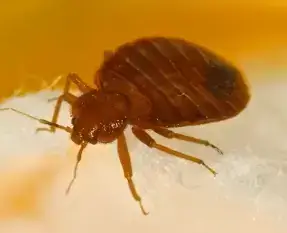
Bed Bug’s piercing-sucking mouthparts are a specialized form of insect feeding apparatus, primarily used to pierce the surfaces of objects in order to access fluid or semi-fluid food. Part of an insect's mouth is adapted into a sharp needle-like organ, capable of easily penetrating plant tissues or even the skin of mammals and birds.
Jacob Johnson
October 14th, 2025
October 14th, 2025
Arizona mantis can refer to several species, most commonly the Bordered Mantis (Stagmomantis limbata), a large, green or beige native species. Other species also called Arizona mantis include the Arizona Unicorn Mantis (Pseudovates arizonae) and the Arizona Tan Mantis (Stagmomantis gracilipes). These are all predatory insects found in the southwestern United States.
Manuel Bravo
October 9th, 2025
October 9th, 2025
Orb-weaver spiders are members of the spider family Araneidae. They are the most common group of builders of spiral wheel-shaped webs often found in gardens, fields, and forests. The English word orb can mean circular,[1] hence the English name of the group. Araneids have eight similar eyes, hairy or spiny legs, and no stridulating organs.
Joseph Holland
October 9th, 2025
October 9th, 2025
The blue-bordered pedunculate ground beetle (Carabus problematicus) is a large, shiny black beetle with a distinctive metallic blue or violet border around the edges of its ridged wing cases. It’s a nocturnal predator, feeding on slugs, worms, and other small invertebrates, and is often found in woodlands, grasslands, and moorlands across Europe.
Francisco Bueno
October 8th, 2025
October 8th, 2025
This species of jumping spider was found during an exterior spraying. Phidippus arizonensis have impressive visual capabilities, boasting four pairs of eyes that give it a nearly 360-degree field of vision.
Jorge Blanco
October 8th, 2025
October 8th, 2025
Rhinotermitidae is a family of subterranean termites known for their destructive feeding on wood and wood products, causing significant economic damage to structures worldwide. These social insects live in colonies with distinct castes, including reproductives, soldiers, and workers, and are characterized by their cryptic, soil-dwelling lifestyle
Julian Talamantez
October 8th, 2025
October 8th, 2025
Eleodes (commonly known as pinacate beetles or desert stink beetles) is a genus of darkling beetles, in the family Tenebrionidae.[1] They are endemic to western North America ranging from southern Canada to central Mexico with many species found along the Mexico-United States border.
Jacob Johnson
October 8th, 2025
October 8th, 2025
The Vine Sphinx is a large, fast-flying moth found from Argentina to the southern U.S., including Florida, Texas, and the Caribbean. It is known for its sleek, striped forewings and a saddle-like pattern on its thorax. The moth's caterpillars feed on plants like grape and Ludwigia, while adults are nectar feeders
Steven Alonzo
October 8th, 2025
October 8th, 2025
Julian Talamantez
October 2nd, 2025
October 2nd, 2025
The common walkingstick or northern walkingstick (Diapheromera femorata) is a species of phasmid or stick insect found across North America. The average length of this species is 75mm (3 in) for males and 95mm (3.7 in) for females.
Jose Cabrera
October 2nd, 2025
October 2nd, 2025
Wasps are predatory or parasitic insects in the order Hymenoptera, known for their slender bodies, narrow waists, and ability to sting. They are vital for ecosystems, acting as natural pest controllers by preying on insects like caterpillars and also serving as pollinators for some plants. While some species are social and live in colonies, many are solitary. Wasps are often misunderstood, but most species pose little risk to humans, and males cannot sting.
Jorge Blanco
October 2nd, 2025
October 2nd, 2025
Carpenter ants are large ants that excavate wood to build nests, but they do not eat it. They are attracted to moisture and can be identified by their smoothly rounded thorax and single node connecting the abdomen and thorax
Manuel Bravo
October 2nd, 2025
October 2nd, 2025
The praying mantis is a carnivorous insect of the order Mantodea, distinguished by its elongated body, triangular head, and prominent compound eyes mounted on flexible necks. It is most recognizable by its folded forelegs, which are held upright as though in prayer, though in reality they are raptorial limbs designed for seizing and holding prey. Found in temperate and tropical habitats worldwide, mantises are ambush predators that rely on camouflage and sudden bursts of speed to capture insects and even small vertebrates. Their distinctive posture and predatory behavior have made them a subject of fascination in both scientific study and popular culture.
Frank Delgado
October 1st, 2025
October 1st, 2025
Southern green shield bug is capable of releasing a pungent odor from glands located on their abdomen to deter predators.
Francisco Bueno
October 1st, 2025
October 1st, 2025
This orb weaver was found during an exterior spraying. Despite its fearsome appearance, Western spotted orbweaver has a unique defense mechanism that involves playing dead by curling its legs when threatened.
Jacob Johnson
October 1st, 2025
October 1st, 2025
The Carolina Mantis a common, native North American insect known for its distinctive praying posture and ability to camouflage in green, brown, or gray colors. These ambush predators are about 2 to 2.5 inches long and feed on other insects, though they are not selective and can be cannibalistic. They overwinter in a frothy egg case called an ootheca, with nymphs hatching in spring and growing into adults by late summer
Joseph Holland
October 1st, 2025
October 1st, 2025
The giant swallowtail is the largest butterfly in North America, with a 4–6 inch wingspan. It’s black with bold yellow bands and has long tails on its hindwings. The caterpillar looks like bird droppings for camouflage and often feeds on citrus trees. Adults are common around gardens and fields, sipping nectar from flowers like lantana and bougainvillea.
Joseph Holland
September 25th, 2025
The Carolina mantis (Stagmomantis carolina) is a small, camouflaged praying mantis (about 2–2.5 inches) found across the U.S.; females have short wings, males longer wings, and both are ambush predators that blend into bark, leaves, and twigs
Manuel Bravo
September 25th, 2025
The fire ant is the common name for several species within the genus Solenopsis, a group of stinging ants known for their aggressive behavior and painful venomous sting. Native to South America but now widespread in many regions of the world, fire ants are considered invasive pests due to their rapid colony growth, displacement of native species, and impacts on agriculture and human health. They are typically reddish-brown in color, ranging from 2 to 6 millimeters in length, and are most notorious for building large, irregular soil mounds that serve as entrances to their extensive underground colonies.
Jorge Blanco
September 25th, 2025
Rhinotermitidae is a family of insects commonly known as subterranean termites, characterized by their cryptic lifestyle and tendency to build nests in the soil. They are a significant economic pest, causing billions of dollars in damage to wooden structures annually
Julio Pereira
September 25th, 2025
Wolf spiders are agile, ground-dwelling hunters from the family Lycosidae, known for chasing prey rather than spinning webs.
Julian Talamantez
September 24th, 2025
The triangulate cobweb spider (scientific name: Steatoda triangulosa; also called the triangulate bud spider) is a common spider in the genus Steatoda. It is well known for the triangle-shaped pattern on the dorsal side of its abdomen.
Francisco Bueno
September 24th, 2025
This Banded argiope orb weaver was found during an exterior spraying. The Banded argiope can adjust its web's reflectiveness, making it more visible to birds to prevent them from accidentally destroying it.
Frank Delgado
September 24th, 2025
Despite its size, Triangulate cobweb spider can immobilize prey much larger than itself, using its surprisingly potent venom to subdue the unexpected victims.
Jacob Johnson
September 24th, 2025
The Red-backed Darkling Beetle (Eleodes suturalis) is a flightless, nocturnal insect found in the western U.S., easily identified by its dark body and prominent red stripe down the center of its elytra. These beetles are harmless scavengers that primarily eat decaying plants and leaf litter. When threatened, they can lift their abdomen and spray a foul-smelling liquid to deter predators. (Caught these two mating while spraying a customers house)
Jacob Johnson
September 24th, 2025
The broad-tipped conehead katydid, Neoconocephalus triops, is a coneheaded katydid in the subfamily Conocephalinae. Within this subfamily, four genera consisting of 22 species total, exist in America
Jacob Johnson
September 24th, 2025
The Eastern carpenter bee is a large, solitary bee found in eastern North America, distinguished by its shiny, black, hairless abdomen and yellow, fuzzy thorax. These bees excavate tunnels in wood to create nests, leaving behind a small pile of sawdust. While males are known for their territorial, hovering behavior, they are harmless as they lack stingers. Females can sting but are not aggressive and rarely do so unless provoked or handled
Jacob Johnson
September 24th, 2025
Dythemis velox is the scientific name for the swift setwing, a species of dragonfly found in North and Central America. This dragonfly is characterized by its black-tipped wings, which are held forward when perched, and a complex black pattern on its bluish-cream thorax. The swift setwing is not considered endangered, with its population trend showing an increase
Steven Alonzo
September 24th, 2025
Argiope aurantia is a species of spider, commonly known as the yellow garden spider,[2][3] black and yellow garden spider,[4] golden garden spider,[5] writing spider, zigzag spider, zipper spider, black and yellow argiope, corn spider, Steeler spider, or McKinley spider.
Julio Pereira
September 18th, 2025
Blattid cockroaches are a family (Blattidae) within the order Blattodea, which includes some of the most common household pests like the American cockroach (Periplaneta americana) and the Oriental cockroach (Blatta orientalis).
Jose Cabrera
September 18th, 2025
Paper wasps are social insects known for their slender bodies, thin waists, and paper-like nests, which they build from chewed wood and saliva. They are typically brown or black with yellow markings and have long legs that dangle when they fly. Paper wasps are beneficial to gardeners as they prey on garden pests like caterpillars. They are semi-social, with a queen establishing a new nest each spring, and they can sting if their nest or individuals are provoked.
Jorge Blanco
September 18th, 2025
Rhinotermitidae, commonly known as subterranean termites, are a family of termites that build their nests in the soil and infest wood in contact with the ground.They are a significant economic pest, causing billions of dollars in damage to structures annually
Julian Talamantez
September 18th, 2025
Tigrosa helluo, commonly known as the Wetland Giant Wolf Spider, is a species of spider belonging to the family Lycosidae, also known as wolf spiders. T. helluo was formerly known as Hogna helluo before differences between dorsal color patterns, habitat preferences, body structures, etc. were discovered.
Gabriel Johns
September 17th, 2025
This was captured while doing an inspection for wasps. A group of ants working together to eat a centipede, who at this point had some of its legs ripped from its body by the ants.
Gabriel Johns
September 17th, 2025
Some interesting things about Spiders they can see ultraviolet light and some can even regrow lost limbs. Some species of spiders can survive underwater by trapping air in bubbles.
Frank Delgado
September 17th, 2025
Guinea paper wasp most commonly stings humans as a defensive reaction to perceived threats, especially near their nests. Since Guinea paper wasp live in social colonies led by a queen, with numerous workers tasked with nest defense, accidental close encounters by humans can prompt stings. The stings cause pain, swelling, and in some instances, more severe allergic reactions due to their neurotoxic peptides.
Manuel Bravo
September 17th, 2025
Paper wasps are a type of social vespid wasps. The term is typically used to refer to members of the vespid subfamily Polistinae, though it often colloquially includes members of the subfamilies Vespinae (hornets and yellowjackets) and Stenogastrinae, which also make nests out of paper.
Steven Alonzo
September 17th, 2025
The black vine weevil (Otiorhynchus sulcatus) is an insect native to Europe but common in North America as well. It is a pest of many garden plants.
Joseph Holland
September 17th, 2025
The giant desert centipede (Scolopendra heros) is the largest centipede in North America, growing up to 8–10 inches long. It has a red head, dark body, and yellow legs, with powerful venomous fangs. Nocturnal and aggressive hunters, they prey on insects, lizards, and even small snakes. Their bite is extremely painful to humans but rarely dangerous.
Francisco Bueno
September 17th, 2025
This California trapdoor spider was found during an exterior spraying. California trapdoor spider spin silk-lined burrows with a trapdoor lid, using their remarkable engineering skills to disguise the entrance from predators and unsuspecting prey.
Francisco Bueno
September 17th, 2025
This Eastern leaf-footed bug was found during an exterior spraying. Despite their plant-sucking habits, Eastern leaf-footed bug can emit a distressing odor to deter predators, showcasing an unexpected form of chemical defense.
Jacob Johnson
September 17th, 2025
The Western conifer seed bug is a harmless, reddish-brown insect that enters homes in the fall seeking shelter for the winter. It is a nuisance pest because it can enter buildings in large numbers and emits a pungent odor when handled. While it doesn't bite, sting, or damage homes, it can be mistaken for a stink bug or an assassin bug. To prevent them from entering, seal cracks and crevices around windows, doors, and vents, and repair damaged screens
Frank Delgado
September 11th, 2025
Acrobat ants prefer to nest in moist or rotted wood, and colonies are most often found in tree holes, dead limbs, stumps, and logs.
Manuel Bravo
September 11th, 2025
Latrodectus is a broadly distributed genus of spiders informally called the widow spiders,[3] with several species that are commonly known as the true widows. This group is composed of those often loosely called black widow spiders, brown widow spiders, and similar spiders.
Manuel Bravo
September 11th, 2025
Latrodectus is a broadly distributed genus of spiders informally called the widow spiders,[3] with several species that are commonly known as the true widows. This group is composed of those often loosely called black widow spiders, brown widow spiders, and similar spiders.
Gabriel Johns
September 11th, 2025
The female orb Weaver spider are larger than the males and can lay up to 700 eggs. There are more than 3000 different types of species for the orb Weaver spider. They are known for their orb like webs.
Julio Pereira
September 11th, 2025
The monarch butterfly (Danaus plexippus) is a well-known North American insect famous for its iconic orange and black wings and its incredible annual migration, traveling thousands of miles to overwinter in Mexico and California
Julio Pereira
September 11th, 2025
Francisco Bueno
September 11th, 2025
This western giant swallowtail was found during an exterior spraying. Western Giant Swallowtail larvae exhibit unique mimicry, resembling bird droppings to avoid predation during early life stages.
Francisco Bueno
September 11th, 2025
This western spotted orbweaver was found during an interior spraying. Despite its fearsome appearance, Western spotted orbweaver has a unique defense mechanism that involves playing dead by curling its legs when threatened.
Francisco Bueno
September 11th, 2025
This western spotted orbweaver was found during an interior spraying. Despite its fearsome appearance, Western spotted orbweaver has a unique defense mechanism that involves playing dead by curling its legs when threatened.
Francisco Bueno
September 11th, 2025
This western spotted orbweaver was found during an interior spraying. Despite its fearsome appearance, Western spotted orbweaver has a unique defense mechanism that involves playing dead by curling its legs when threatened.
Francisco Bueno
September 11th, 2025
This western spotted orbweaver was found during an interior spraying. Despite its fearsome appearance, Western spotted orbweaver has a unique defense mechanism that involves playing dead by curling its legs when threatened.
Francisco Bueno
September 11th, 2025
This western spotted orbweaver was found during an interior spraying. Despite its fearsome appearance, Western spotted orbweaver has a unique defense mechanism that involves playing dead by curling its legs when threatened.
Francisco Bueno
September 11th, 2025
This western spotted orbweaver was found during an interior spraying. Despite its fearsome appearance, Western spotted orbweaver has a unique defense mechanism that involves playing dead by curling its legs when threatened.
Jose Cabrera
September 11th, 2025
Rhinoceros beetles are a subfamily of large, herbivorous scarab beetles known for the prominent horn on the males' heads, which they use in fights with other males for mating rights. These beetles are among the strongest insects, capable of lifting up to 850 times their own weight. They are found on every continent except Antarctica, with adults feeding on nectar and sap, while their larvae consume decaying wood and roots.
Jose Cabrera
September 11th, 2025
Choco bug: sub species of menace
Have a specific pest problem?
We can help!
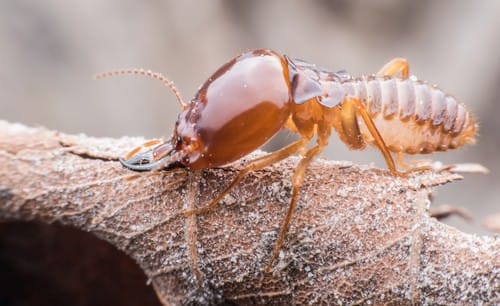
Termites
We can spot early signs of termites and develop strategies to exterminate them.
Wasps
If someone is allergic to wasps, even one sting can result in a serious reaction.
Bed Bugs
We understand bed bugs, the problems they cause and how to get rid of them.
Cockroaches
When a home has these pests, it’s time to call the professionals in immediately.