
The Truth About Pincher Bugs: Are Earwigs Actually Dangerous to Texas Properties?
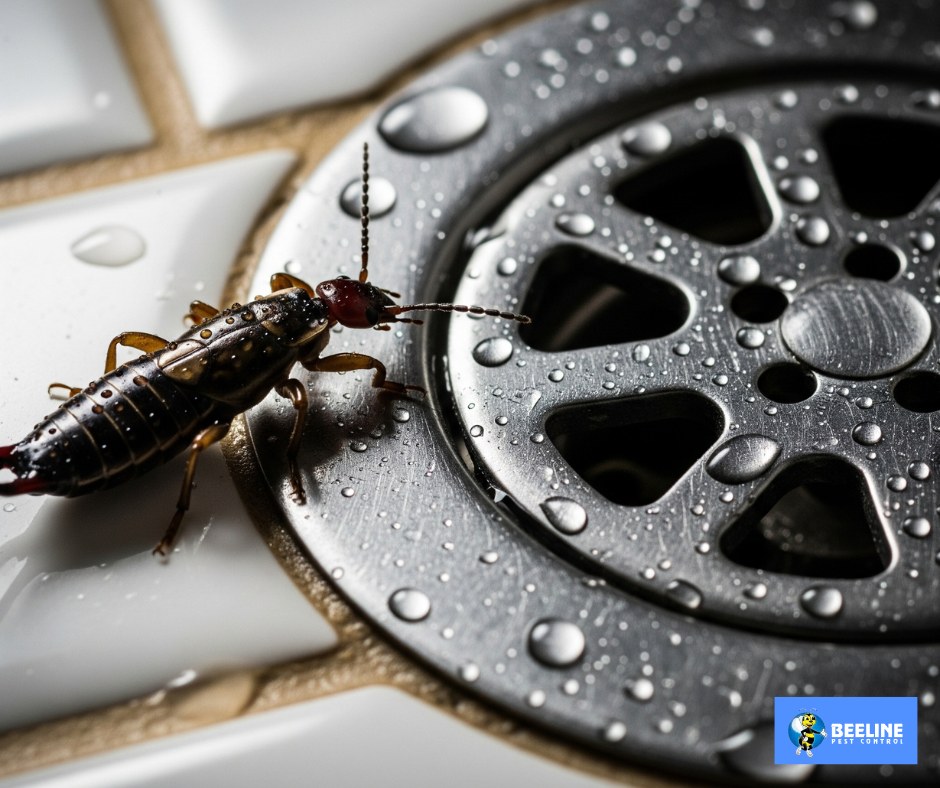
Key Points:
- The Pinching Myth: Despite their intimidating rear forceps, earwigs are not venomous, poisonous, or deeply dangerous to human health.
- Property Threat: While they won’t compromise your slab foundation like termites, they can destroy Texas landscaping and easily contaminate commercial inventory.
- Climate Driven: Heavy Texas rains and intense summer heat force these moisture-loving pests inside through weep holes and expansion joints.
- The Professional Solution: DIY sprays fall short; Texas Beeline delivers targeted, eco-friendly quarterly barrier protection that stops infestations at the source.
The Creepy Crawler Lurking in the Shadows
If you have ever flipped over a damp piece of mulch in San Antonio or walked into your bathroom late at night only to find a dark, fast-moving insect sporting a wicked pair of pincers on its rear end, you know the sudden jolt of panic it causes. Commonly known as “pincher bugs,” earwigs are one of the most misunderstood pests in the Lone Star State.
For Texas homeowners, discovering these prehistoric-looking critters near children’s play areas or baseboards raises immediate safety alarms. For business owners, an influx of pincers crawling across restaurant floors or warehouse loading docks can instantly threaten a hard-earned commercial reputation. When dealing with these multi-legged invaders, securing professional pest control services Texas property owners trust is essential to separating frightening myths from operational reality.
Understanding the Threat: Driven Indoors by the Texas Climate
How Local Weather Forces Pests Inside
Texas weather is rarely subtle. We swing violently from prolonged, scorching droughts to sudden, torrential downpours. This volatile climate serves as the primary engine driving earwigs straight into our living and working spaces. Earwigs are nocturnal creatures that absolutely crave tight, dark, and highly humid environments.
According to the entomologists at Texas A&M AgriLife Extension, when the topsoil bakes under the intense summer sun or becomes entirely flooded by a spring deluge, earwigs flee their outdoor habitats in search of equilibrium.
The Threat Matrix: While the risks vary based on your property type, the disruption earwigs cause remains universally stressful across Texas.
- For Homeowners: Earwigs routinely breach perimeter defenses, congregating under kitchen sinks, inside damp crawl spaces, and around bathroom fixtures, causing high emotional distress for families.
- For Business Owners: A single earwig sighting in a dining room or retail aisle can trigger immediate health inspection scrutiny, negative online reviews, and compromised inventory.
Are Earwigs Dangerous, or Just Plain Scared?
Debunking the Myths
Let’s tackle the burning question that keeps property owners up at night: Are these pincher bugs actually dangerous? The short answer is no, not to your physical health. The old wives’ tale that earwigs crawl into sleeping ears to burrow into human brains is entirely a myth. Furthermore, earwigs are neither poisonous to ingest nor venomous; they do not possess stingers or venom glands.
If picked up or trapped against skin, they may attempt to pinch you with their rear cerci (forceps). While a pinch from a large adult earwig can be a bit startling and mildly uncomfortable, it rarely breaks human skin and carries no toxic threat.
Expert Insight: “While an earwig pinch won’t land you in the emergency room, their presence inside is a major warning sign. It tells us that your property has an active moisture problem or unsealed exterior gaps that larger, more destructive pests could easily exploit.” Certified Technician, Texas Beeline
The Real Risks to Commercial and Residential Spaces
The real danger earwigs pose is destructive and sanitary. In commercial settings, they hide within cardboard packaging, contaminating stored goods and food prep zones. In residential yards, massive populations can decimate soft-stemmed garden plants, flowers, and seedlings overnight.
Because they scatter into deeply recessed voids like brick weep holes and beneath heavy slab foundations, DIY insect sprays typically fail. Over-the-counter chemicals only kill the few bugs you see on the surface, entirely missing the thousands breeding in the damp dark below. Texas Beeline addresses this by applying precision micro-encapsulated barriers directly into these structural vulnerabilities, stopping infestations at the source.
Why Year-Round Protection Beats One-Time Quick Fixes
When property owners spot an influx of pincher bugs, the knee-jerk reaction is often to call for a one-time emergency spray. However, treating earwigs as an isolated incident ignores the bigger ecological picture. True protection requires an ongoing commitment to quarterly pest management.
|
Treatment Attribute |
One-Time Quick Fix |
Texas Beeline Quarterly Management |
|
Target Effectiveness |
Only kills surface pests present that day. |
Breaks breeding cycles and clears hidden nests. |
|
Environmental Protection |
Often relies on heavy, localized chemical applications. |
Utilizes smart, eco-friendly pest control barriers. |
|
Weather Resistance |
Easily washes away with the first heavy Texas rain. |
Regularly refreshed to withstand extreme heat and downpours. |
|
Cost Value |
High short-term cost with zero long-term guarantees. |
Consistent, proactive defense that prevents costly infestations. |
Key Reminder: Maintaining a continuous seasonal barrier ensures that when spring rains arrive or summer droughts peak, your property is already fortified against earwigs, roaches, and ants alike.
DIY vs. Expert Protection with Texas Beeline
The Pitfalls of Retail Pesticides
It is incredibly tempting to grab a broadcast pesticide bottle from a big-box store and drench your baseboards. However, improper DIY applications frequently do more harm than good. Misapplied chemicals can drive earwigs deeper into wall voids, scatter them into previously uninfested rooms, and expose children, pets, or commercial patrons to unnecessary chemical residues regulated by the Environmental Protection Agency.
The licensed team at Texas Beeline understands the exact behavioral patterns of local pests. We don’t just blindly spray; we locate the precise moisture reservoirs and structural entry routes, applying target-specific treatments that keep your loved ones and customers perfectly safe while achieving absolute pest elimination.
The Texas Beeline Property Protection Plan
We believe that no two Texas properties are built exactly alike. Our approach focuses on customized protection tailored to your specific environment.
- Residential Shield: Designed to secure local slab foundations, landscaping beds, and vulnerable crawl spaces, keeping families safe and pincher-bug-free.
- Commercial Defense: Tailored for restaurants, warehouses, and offices to guarantee strict regulatory compliance, protect inventory, and safeguard your brand’s reputation.
- The First Step: Every plan begins with a comprehensive, transparent inspection of your property’s perimeter to identify exactly where pests are breaching your peace of mind.
Safety and Compliance Assurance for All Properties
Safety FAQ Spotlight
- Question: Are your pest treatments safe for my children, pets, or restaurant customers?
- Answer: At Texas Beeline, safety is our non-negotiable priority. We utilize state-of-the-art, low-toxicity products and smart botanical barriers that safely target pest biology without leaving hazardous residues behind. Our applications are meticulously performed away from contact surfaces, ensuring your family, furry companions, and commercial clients remain completely protected.
Proactive Tips for a Pest-Free Environment
While professional treatments do the heavy lifting, maintaining these simple habits can drastically reduce pest pressure on your property:
For Homeowners
Pro Tip: Implement these perimeter adjustments to keep residential zones dry and secure.
- Clear the Perimeter: Keep mulch, dead leaves, and firewood piles at least two feet away from your home’s foundation.
- Manage the Weep Holes: Install specialized, breathable weep hole covers to block earwig entry without trapping dangerous moisture inside your walls.
- Fix Diverters: Ensure rain gutters and downspouts direct water at least three feet away from the house to eliminate damp soil pockets.
For Business Owners
Pro Tip: Check loading docks and dumpsters regularly for commercial property maintenance.
- Sanitize Loading Docks: Sweep and pressure-wash loading zones regularly to eliminate standing puddles and decaying organic debris.
- Elevate Stored Inventory: Keep all boxed goods and pallets elevated off warehouse floors and spaced away from interior walls.
- Inspect Incoming Shipments: Check external cardboard shipping crates for hitchhiking earwigs before bringing them into core storage spaces.
Conclusion: Reclaim Your Peace of Mind with Local Experts
Earwigs and pincher bugs might not be dangerous villains out to cause structural damage or severe bodily injury, but they are a stubborn nuisance that signals deeper environmental vulnerabilities in your property. You don’t have to tolerate shared spaces with these unsettling invaders. Investing in local, professional pest management is the absolute best way to protect your family’s comfort or secure your business’s bottom line.
Don’t let pests take over Call us today for expert pest control! We provide pest control services Texas residents can count on across San Antonio, Universal City, Converse, Castle Hills, Alamo Heights, Cibolo, and other surrounding areas in Texas.
To find out more about our residential pest control services and commercial pest control services, click the links or visit our Contact Us page, fill out our quick online form, or call our local team directly at 210-739-1320 to schedule your comprehensive inspection.
Avoid Costly Pest Control Mistakes!
Don’t let DIY errors cost you more in the long run! Beeline Pest Control of Texas provides expert inspections and science-based solutions to correct common pest control mistakes to avoid. Protect your San Antonio home with a customized plan that gets rid of pests for good!
No Hidden Charges
Frequently Asked Questions
Are earwigs dangerous?
No, earwigs are not dangerous to humans or structural property. They do not transmit diseases or cause structural collapse, though their presence indicates high moisture levels that require professional attention. Texas Beeline can quickly evaluate your property to eliminate them and resolve the underlying causes.
Are earwigs harmful?
Earwigs are completely harmless to humans and pets, as they lack venom and aren’t destructive to structural wood. However, they can be highly harmful to delicate garden plants, landscaping flowers, and commercial organic inventory. Hiring Texas Beeline ensures your flora and products remain safe from these midnight chewers.
Are earwigs poisonous?
No, earwigs are not poisonous to touch, nor are they toxic if accidentally ingested by curious household pets. They carry no internal poisons or toxic defense mechanisms whatsoever. If you are experiencing an annoying outbreak, Texas Beeline can provide a rapid, safe resolution.
Are earwigs venomous?
Earwigs are completely non-venomous and do not possess stingers or venom-injecting glands of any kind. Their intimidating rear pincher apparatus is purely used for defense against other insects and physical mating rituals. Texas Beeline utilizes specialized treatments to safely control its populations without using aggressive chemical hazards.
Are earwigs destructive?
While they won’t chew through your home’s structural wood or drywall like termites, earwigs can be highly destructive to greenhouse seedlings, crops, and ornamental landscaping. They can also ruin commercial reputations if they ruin product packaging. Texas Beeline offers customized exclusion barriers to prevent this costly outdoor destruction.
Are earwigs pests?
Yes, earwigs are officially classified as occasional invader pests due to their tendency to enter properties in massive numbers when outdoor weather conditions turn unfavorable. Their unsettling appearance and habit of hiding in dark, humid indoor areas make them a top nuisance. Texas Beeline provides exceptional quarterly plans to keep them outside where they belong.
Should I be worried if I see an earwig?
You shouldn’t worry about physical danger, but seeing them indoors does indicate unsealed exterior cracks or an unresolved humidity issue within your structure. It means your property’s exterior barrier has broken down. Contacting Texas Beeline for a free inspection is the best way to pinpoint and seal those hidden entry paths.
Is an earwig dangerous?
An individual earwig is entirely non-dangerous to humans, as its pinch is weak and it contains zero venom. The main threat is simply the high sanitary nuisance and potential plant damage caused by a larger infestation. Texas Beeline specializes in eradicating these pests quickly and restoring total comfort to your property.
Earwigs are they dangerous?
Earwigs are not dangerous to your health, your family, or your pets. Despite their frightening appearance and the age-old myths surrounding them, they are nothing more than a common moisture-seeking nuisance. Texas Beeline can easily put your mind at ease with our dependable perimeter pest applications.
How dangerous are earwigs?
On a scale of danger, earwigs rank at the very bottom because they do not bite, sting, spread diseases, or destroy structural home foundations. They are merely an alarming sight that points toward damp conditions. Texas Beeline’s tailored quarterly maintenance programs are perfect for resolving these moisture-loving invasions permanently.
Are pincher bugs dangerous?
No, pincher bugs—the common regional nickname for earwigs—are completely non-dangerous to humans. Their pincers are primarily used for minor defense against other small insects and will not cause serious injury to humans. Texas Beeline can help implement highly effective exclusion techniques to keep them from ever reaching your indoor living areas.
Are pincher bugs harmful?
Pincher bugs are not harmful to human skin or structural integrity, though they can chew unsightly holes through your prized outdoor flowerbeds and garden vegetation. Inside a business, they can easily ruin your immaculate sanitary reputation. Texas Beeline provides targeted, eco-friendly barriers to safeguard both your home’s interior and your commercial storefront.
Are pincher bugs poisonous?
Pincher bugs do not possess any internal or external poisons, meaning they are completely safe if your family dog or cat happens to catch and eat one. They rely solely on their small pincers to ward off minor threats in nature. For comprehensive protection against these creepy crawlers, partnering with Texas Beeline is your best course of action.
Is a pincher bug poisonous?
A pincher bug is absolutely not poisonous, non-toxic, and presents zero chemical danger to humans or animals. While seeing them crawl around your kitchen or bathroom is highly unpleasant, they cannot harm you from a medical standpoint. Texas Beeline is always ready to deliver reliable, safe pest control services to clear them out for good.