
Beeline Pest Control
Texas Termite Control Experts
Professional Termite Removal & Inspections
Worried about termites? Discover expert termite pest control solutions in Texas to safeguard your home. Don’t wait until it’s too late!
Protect your home with Beeline Pest Control — Call us today!
No Hidden Charges
Get a FREE Quote Today

Termites communicate by tapping their heads against the walls of their tunnels.
What Are Termites and Why Are They a Problem?
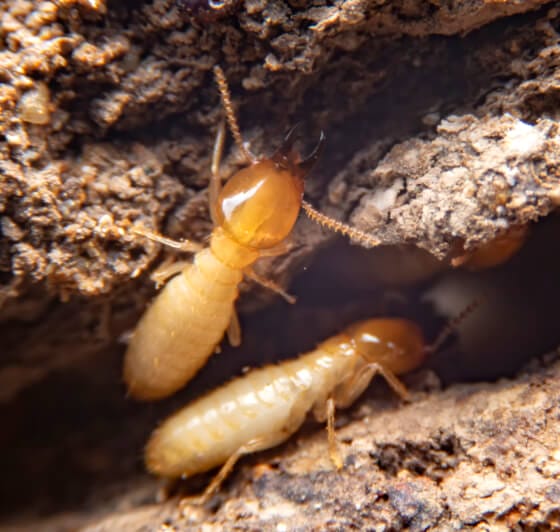
Termites are social insects that thrive in colonies, feeding on wood and cellulose materials. Unlike other pests, termites don’t just invade your home—they consume it from the inside out.
Signs of a Termite Infestation
- Hollow-sounding wood
- Discarded wings near windows or doors
- Mud tubes on walls or foundations
- Tiny droppings resembling sawdust
- Doors and windows that suddenly become hard to open
If any of these sound familiar, you may already have an infestation
No Hidden Charges

How to Get Rid of Termites
Termites are destructive pests that can cause significant damage to homes and buildings. The most effective ways to eliminate and prevent termites include:
Professional Inspections – Early detection is key to stopping infestations before major damage occurs.
Liquid Termite Treatments – Creates a protective barrier around your home to kill and prevent termites.
Baiting Systems – Attracts termites and eliminates entire colonies over time.
termites from infesting wood structures.
Fumigation – Best for severe infestations, effectively killing termites at all life stages.
Annual Pest Control Maintenance – Regular professional inspections and treatments ensure long-term protection.
Take action now! Contact a termite pest control expert to safeguard your home today.
3 Most Important Things to Know About Termites
They Cause Massive Damage
Termites cause billions of dollars in property damage each year, often before homeowners even realize they have a problem. Early detection is crucial!
They Work Silently and Quickly
Termites can chew through wood, flooring, and even wallpaper 24/7
DIY Methods Don’t Work
Store-bought sprays and treatments may kill a few termites but won’t eliminate the entire colony. Professional pest control is the only reliable solution.
Say Goodbye to Termites– Protect Your Home Today!
Don’t let termites take over your space! Beeline Pest Control offers expert termites removal and prevention, keeping your home safe from dangerous and nuisance pests. Call now for a free inspection and get a custom treatment plan tailored to your needs!
No Hidden Charges
Reviews from Texas Residents
Why Homeowners Trust Our Termite Pest Control Services!
We’ve helped thousands of Texas homeowners protect their investments. Here’s what some of them have to say:
Beeline Pest Control
Contact Us Today!
Take Action Now: Protect Your Home from Termites
No Hidden Charges
Get a FREE Quote Today
Frequently Asked Questions
Are termites dangerous?
No, they don’t bite humans, but they can destroy your home.
How fast do termites spread?
A single colony can expand rapidly, causing major damage within months.
What time of year are termites most active?
Spring and summer are peak swarming seasons.
What’s the difference between termites and ants?
Termites have straight antennae and uniform waists, while ants have elbowed antennae and segmented bodies.
Do termites come back after treatment?
If preventative measures aren’t taken, they can return.
What’s the most eco-friendly termite treatment?
Baiting systems are the best green option.
What’s the best way to detect termites early?
Regular professional inspections
How do I know if my home is at risk?
High moisture and untreated wood increase risk.
How much does termite pest control cost?
Costs vary based on infestation size and treatment method.
How do I choose the right pest control company?
Look for licensed, experienced professionals with good reviews.