
Ticks in Texas: Identification, Signs, and Risk
Ticks don’t announce themselves the way a lot of pests do — no nest, no swarm, no buzzing. They wait in tall grass or brush, latch onto whatever brushes past, and you often don’t know one’s attached until well after the fact.
No Hidden Charges
Get a FREE Quote Today
What Do Texas Ticks Look Like?
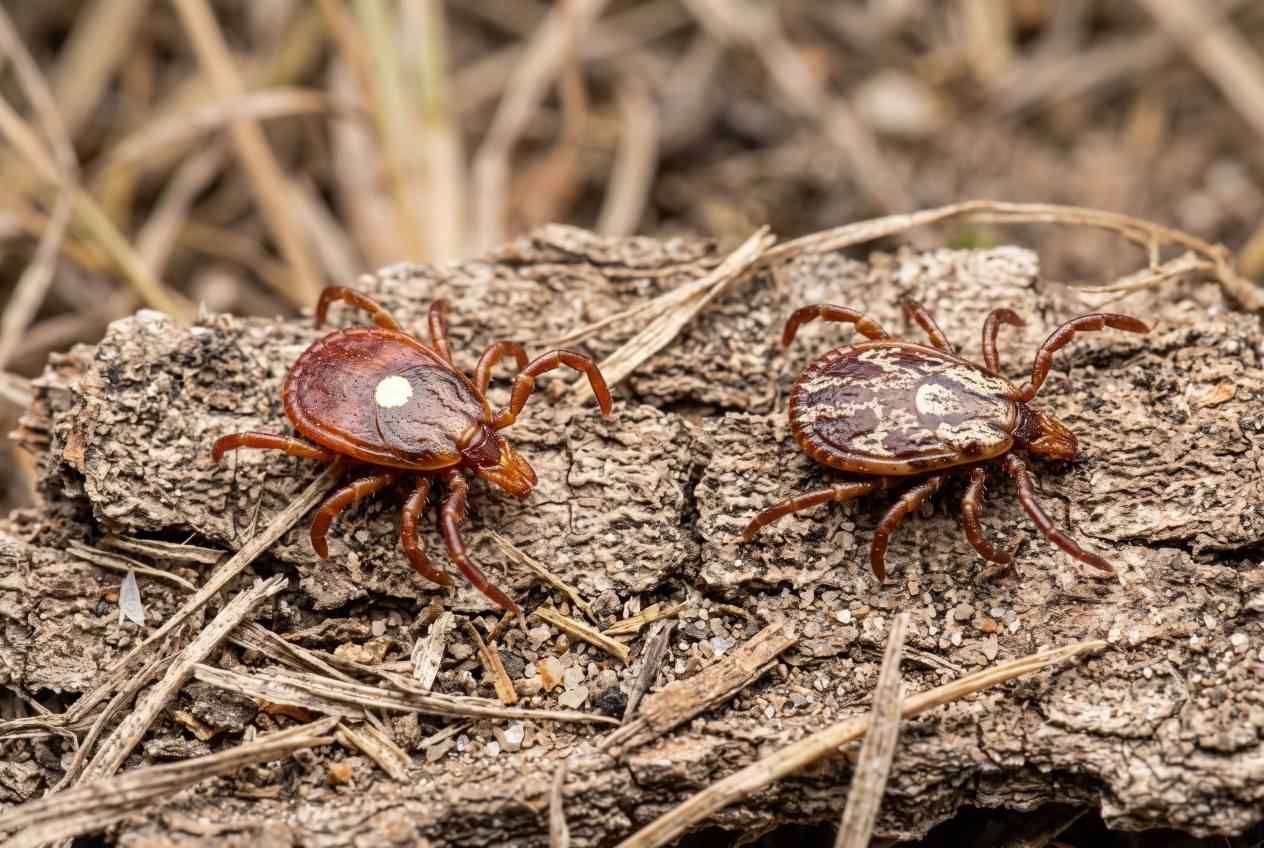
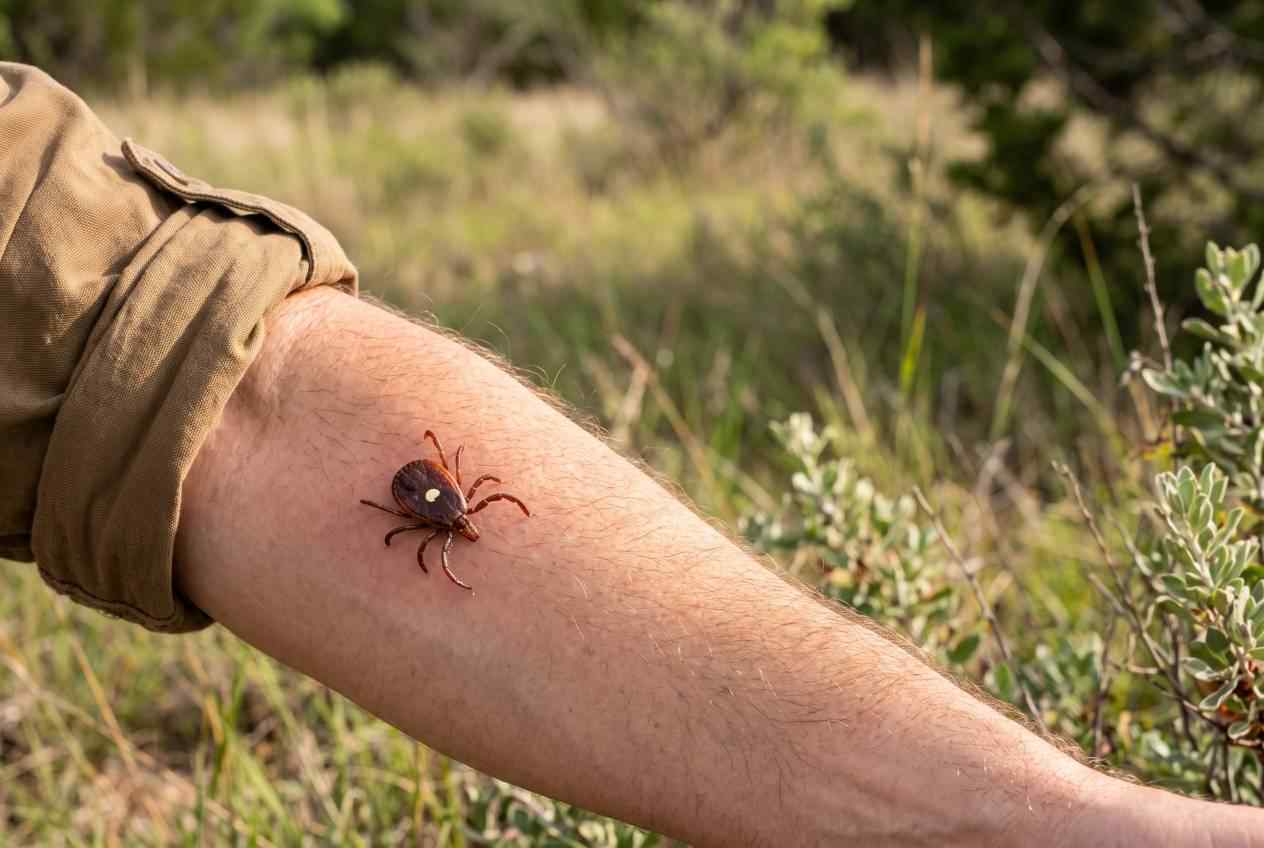
The lone star tick (reddish-brown, with a single pale spot on the female’s back) and the American dog tick (brown with lighter mottled markings) are the two you’re most likely to run into in the San Antonio area. Both are small — roughly the size of a sesame seed before feeding — and swell up considerably once attached and feeding.
No Hidden Charges
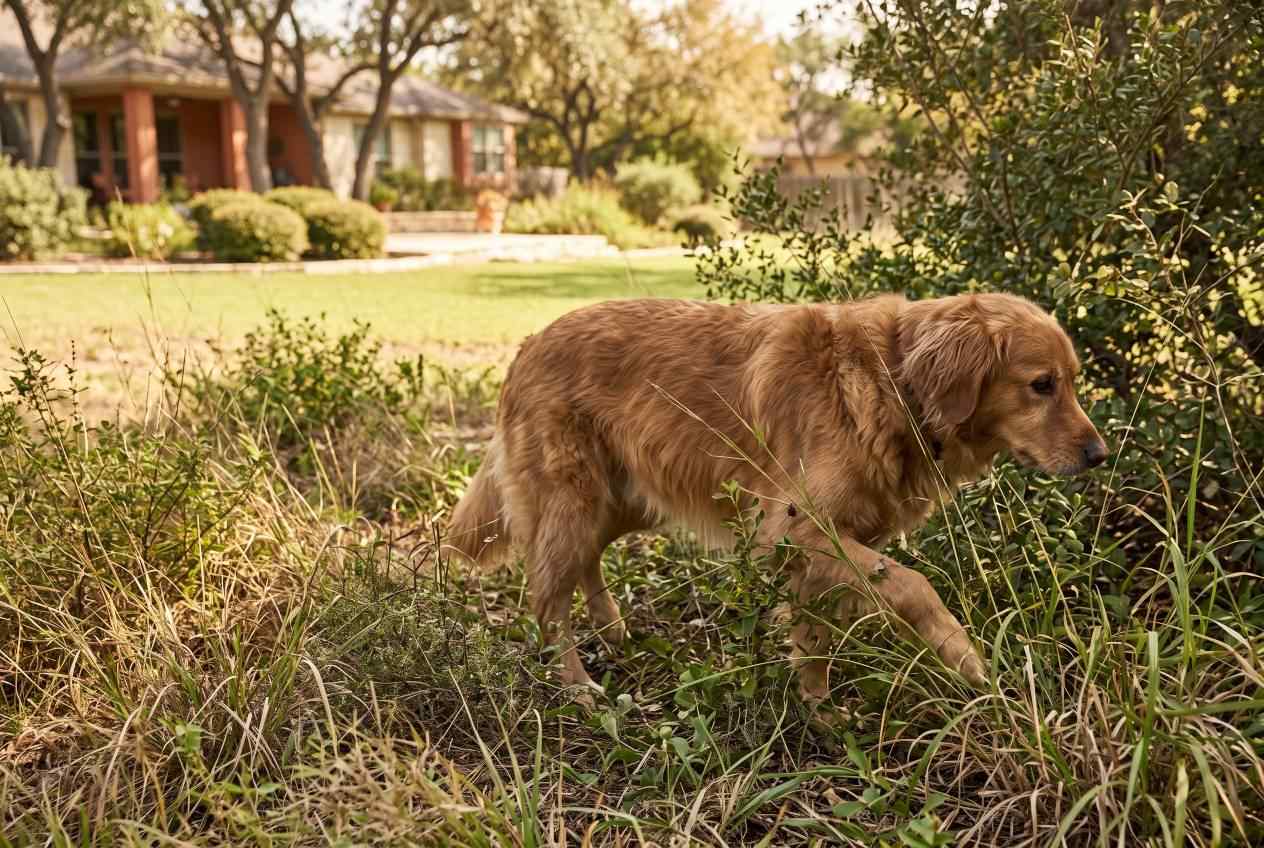
How They End Up on You or Your Pet
Why Ticks Are Worth Taking Seriously
Beyond the discomfort of a bite, ticks in Texas can carry illnesses like Rocky Mountain spotted fever and ehrlichiosis, and the Lone Star tick, in particular, has been linked to alpha-gal syndrome, a delayed allergic reaction to red meat that’s gotten more attention in recent years. Not every tick carries something, and not every bite leads to illness, but a bite that leaves a rash, fever, or flu-like symptoms in the days afterward is worth a doctor’s attention rather than a wait-and-see approach.
No Hidden Charges
Keeping Ticks Out of Your Yard
- Keep grass mowed short and clear brush piles, especially along fence lines and yard edges
- Check pets after they’ve been in tall grass or wooded areas, and talk to your vet about tick prevention
- Do a quick tick check on yourself and kids after time outdoors, paying attention to hairlines, behind ears, and waistbands
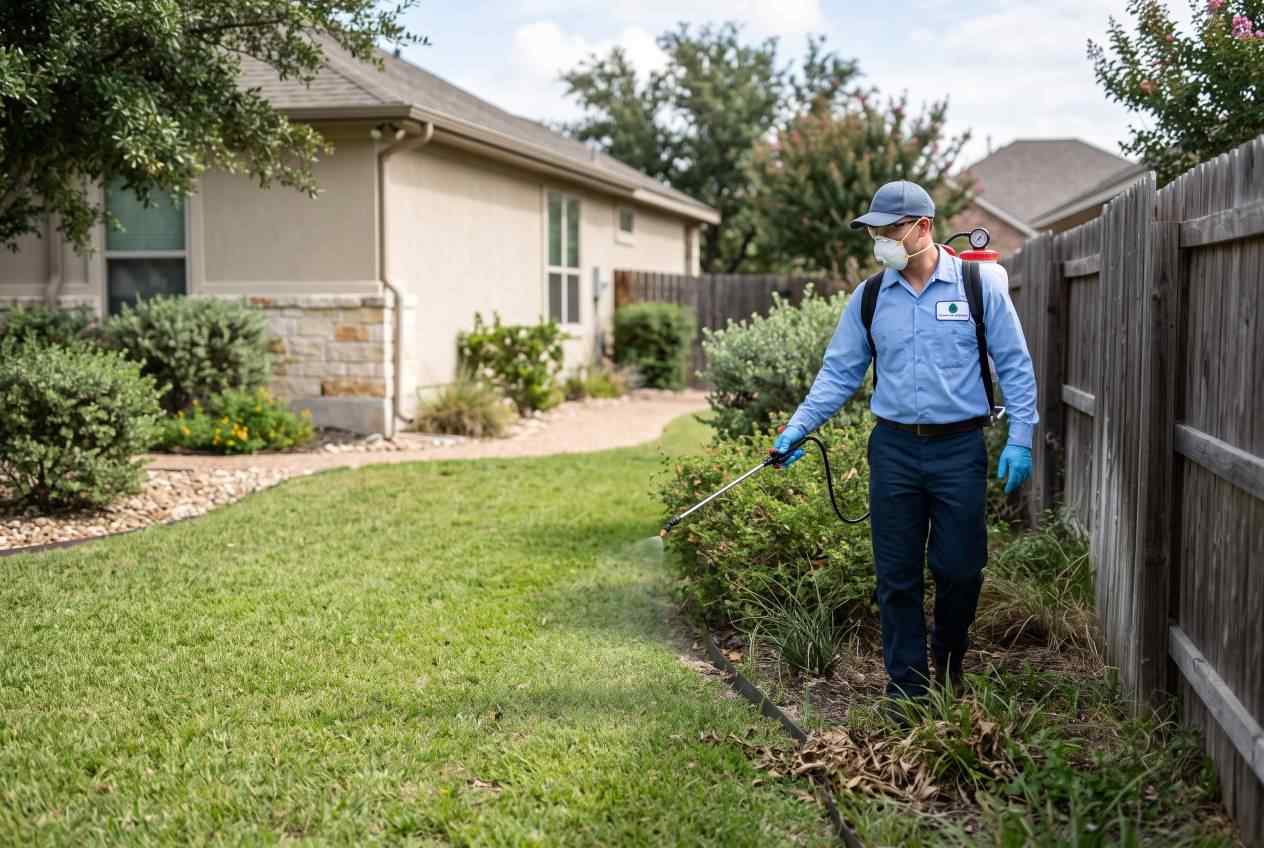
If you’re dealing with ticks regularly rather than just the occasional one, that usually points to a yard that’s giving them plenty of places to hide, which is where a professional treatment focused on the yard itself, not just the house, makes the biggest difference.