Kissing Bugs in Texas: Identification, Chagas Disease Risk, and Prevention
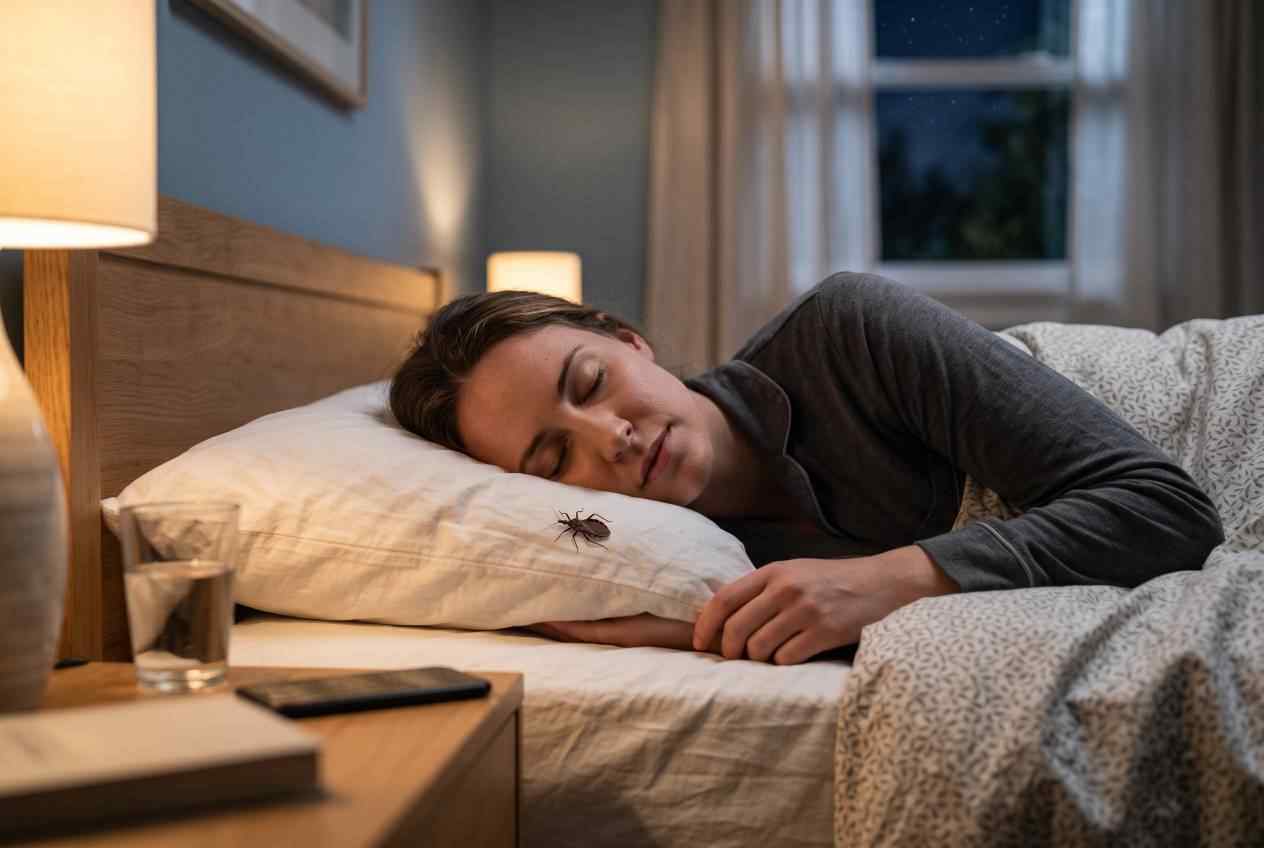
Kissing bugs get their name from a habit that’s more unsettling than the name suggests: they tend to bite people around the mouth and eyes while they sleep. The bite itself is usually painless — the real concern is what can happen afterward.
No Hidden Charges
Get a FREE Quote Today
What Do Kissing Bugs Look Like?
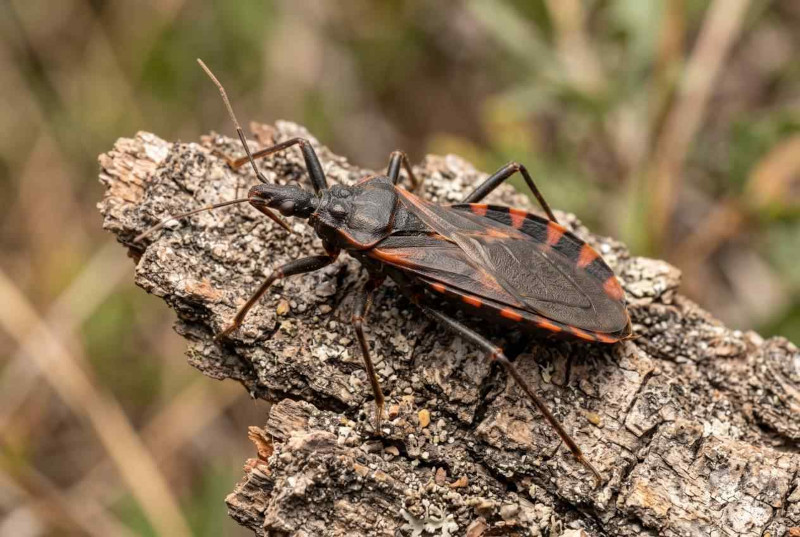
Kissing bugs (also called triatomine bugs) are dark brown to black, about half an inch to an inch long, with a distinctive cone-shaped head and, on some species, orange or red banding along the edge of their body. They’re most active at night and are drawn to light, which is often how they end up near a porch light or window.
No Hidden Charges
Why Kissing Bugs Are a Health Concern
Chagas disease can be hard to catch early: many people have mild or no symptoms at first, while long-term, untreated infection can lead to serious heart or digestive complications years later. That combination — an easy-to-miss bite and a disease that can stay silent for years — is exactly why awareness and prevention matter more than trying to self-diagnose after the fact.
Reducing Your Risk
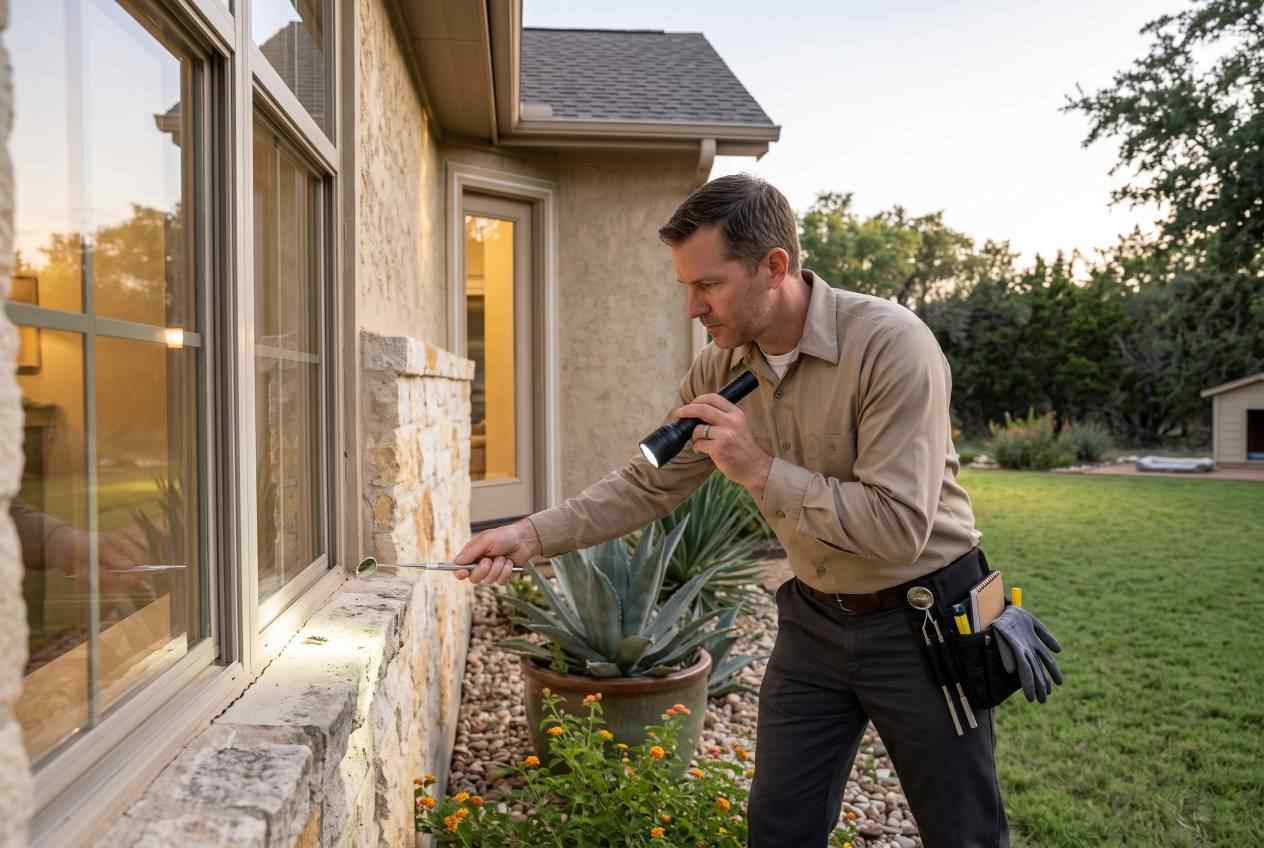
- Seal gaps around windows, doors, and foundations, especially in rural or semi-rural homes
- Keep outdoor lighting away from entry points, since kissing bugs are drawn to light at night
- Check and treat outdoor pet shelters and dog houses, since kissing bugs feed on animals too
- If you find a bug you suspect is a kissing bug, avoid crushing it against your skin — it’s the safest way to avoid contact with any droppings
If you think you’ve found a kissing bug in or around your home, a professional inspection can confirm it and help identify how it’s getting in. Sealing entry points is a bigger factor here than with most household pests.