
Fire Ants in Texas: Identification, Signs, and Risk
No Hidden Charges
Get a FREE Quote Today
What Are Fire Ants?
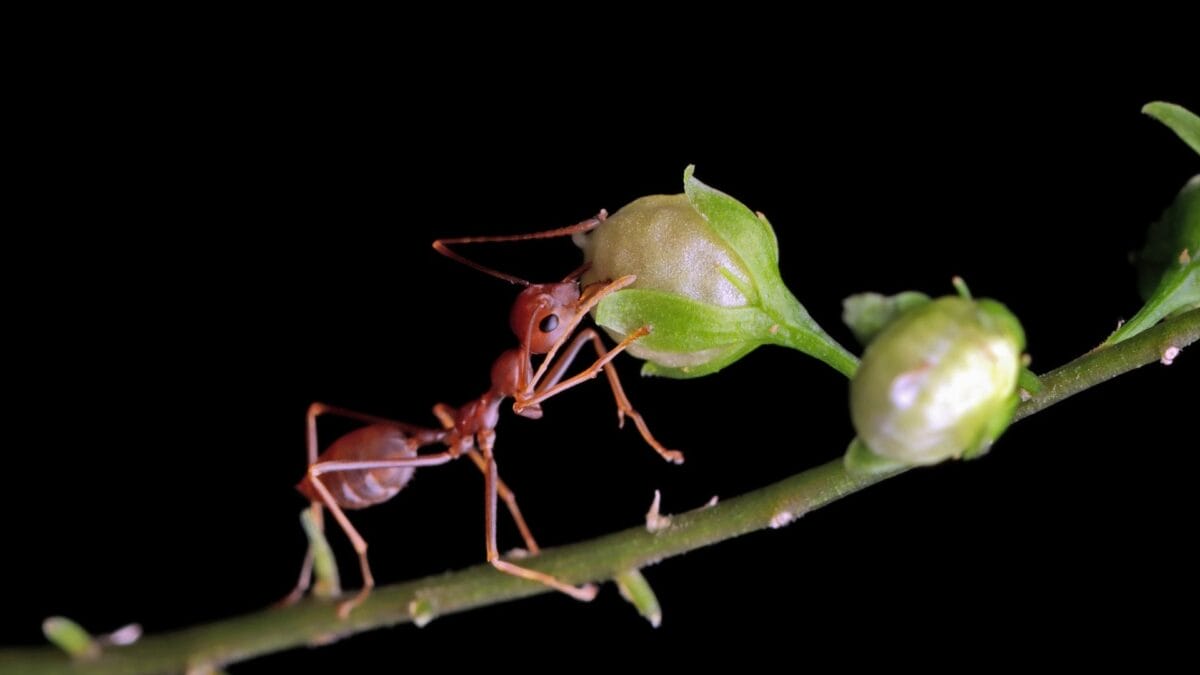
Fire ants are reddish-brown to copper-colored ants, usually about 1/8 to 1/4 inch long, best known for the mound nests they build in open, sunny areas of a yard — often most visible after a rain, when the colony pushes soil up to keep the nest dry. They’re not native to Texas; red imported fire ants arrived in the U.S. through the Gulf Coast decades ago and have since spread across most of the state.

Signs You’re Dealing With Fire Ants (Not Just Ants)
- Loose, dome-shaped dirt mounds in the yard, often with no obvious entrance hole on top
- Ants swarming out aggressively and immediately when a mound is disturbed, rather than scattering
- A sting that feels like an actual burn, often followed by a small white blister a day or two later
- Mounds that reappear nearby within days of being kicked over or mowed down
Why Fire Ants Are a Bigger Deal Than a Typical Ant Problem
Most household ants are a nuisance. Fire ants are the one kind in Texas that’s a genuine safety consideration: they bite to get a grip and then sting repeatedly; they attack in numbers when a mound is threatened, and for someone with a sting allergy, that can turn into a real medical emergency fast. They’re also a real hazard for pets and any small livestock or wildlife that disturbs a mound without warning.


Why DIY Treatments So Often Don’t Stick
What To Do Next
Fire ants are reddish-brown to copper-colored ants, usually about 1/8 to 1/4 inch long, best known for the mound nests they build in open, sunny areas of a yard — often most visible after a rain, when the colony pushes soil up to keep the nest dry. They’re not native to Texas; red imported fire ants arrived in the U.S. through the Gulf Coast decades ago and have since spread across most of the state.