
Wasp Control: How to Keep Wasps Away and Avoid Stings
Key Points:
- Climate Connection: Texas heat and sudden rain trigger rapid nesting cycles, making proactive management essential.
- Aggression Awareness: Unlike honeybees, wasps have smooth stingers and do not die after stinging, allowing for repeated attacks.
- Chemical Communication: Wasps use alarm pheromones to signal the colony; Texas Beeline removes these scent markers to prevent re-infestation.
- The Color Factor: Wasps cannot see red but are highly attracted to bright whites, yellows, and floral patterns.
- Professional Advantage: Specialized quarterly management prevents infestations and provides audit-ready documentation for Texas businesses.
Reclaiming Your Texas Backyard from the Buzz
There is nothing quite like a Texas sunset on the patio—until that unmistakable, low-pitched buzz interrupts the peace. In the Lone Star State, wasps aren’t just a minor nuisance; they are persistent neighbors that thrive in our intense heat and sudden bursts of humidity. Whether you’re hosting a barbecue in Alamo Heights or managing a commercial warehouse in Cibolo, stinging insects can quickly turn a relaxing space into a high-risk zone.
Protecting your family, customers, and business reputation starts with understanding why these pests are here and how to make them leave for good. If you’ve been searching for pest control services Texas property owners trust, you’ve come to the right place. At Texas Beeline, we combine local expertise with safety-focused solutions to keep your environment sting-free.
Understanding the Threat: Texas Wasp Species 101
The Texas climate is a double-edged sword. While we love the sun, so do wasps. Sudden rain often triggers an explosion of insect activity, providing wasps with a “buffet” of prey. In the San Antonio area, we primarily deal with several aggressive species:
- Red Paper Wasps: Famous for their umbrella-shaped nests under eaves and decks.
- Yellow Jackets: Notorious for ground-nesting and extreme aggression when territory is disturbed.
- Cicada Killers: Intimidatingly large solitary wasps that burrow into perfectly manicured Texas lawns.
- Mud Daubers: Builders of unsightly mud tubes on slab foundations and brick walls.
Home vs. Business Risk
- For Homeowners: The risk is physical safety, especially for children and pets who may stumble upon a hidden nest.
- For Business Owners: A single nest near an entrance leads to liability issues. For food service, commercial pest control San Antonio is vital for health standards and audit-ready compliance
The Permanent Path to a Wasp-Free Life
Many folks ask how to keep wasps away permanently. Wasps are highly territorial and opportunistic; if your property offers shade, water, and food, they will return.
The Danger of the “DIY Swarm”
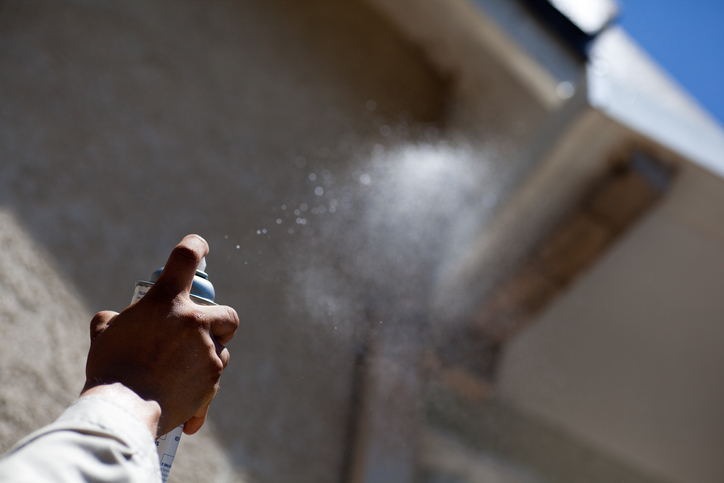
DIY wasp removal is one of the most dangerous tasks a property owner can undertake. Wasps can sting multiple times and, unlike honeybees, they don’t die after stinging. When you spray a nest with a garden hose or retail aerosol, you trigger a “swarm response.”
Avoid the Swarm. Disturbing a nest releases alarm pheromones that signal the colony to attack. Texas Beeline’s professional treatments involve cleaning the nest site to remove these residual scent markers, ensuring new queens aren’t attracted back to the same spot.
Sensory Deterrents: What Wasps Hate (and Love)
If you want to make wasps leave, you must understand how they perceive their environment.
Smells That Repel Wasps
Wasps have a sensitive sense of smell used for navigation. They detest strong, pungent scents:
- Peppermint Oil: The gold standard of natural repellents.
- Clove and Lemongrass: Often used in eco-friendly pest control to make areas unattractive.
- Vinegar: The sharp acidity is a major deterrent for foraging workers.
The Psychology of Color
Colors wasps are attracted to are usually bright and floral.
- Avoid: Yellow, white, and bright blues (mimics high-pollen flowers).
- Wear: Red or muted earth tones. Most wasps cannot see the color red, making you essentially “invisible” to them.
Forget the Floral. Avoid sweet perfumes or floral-patterned clothing, which are major attractants in humans.
DIY vs. Expert Protection with Texas Beeline
It’s tempting to try natural wasp repellents or store-bought traps, but these are often counterproductive.
“Most retail traps actually attract MORE wasps to your yard by using sweet pheromones. You end up inviting every wasp in the neighborhood to your patio just to catch a few in a jar. Professional prevention is about making the property unattractive to them in the first place.” — Lead Technician, Texas Beeline
|
Feature |
DIY Methods |
Texas Beeline Professional Service |
|
Safety |
High risk of multiple stings |
Professional gear & “No-Drift” application |
|
Efficacy |
Temporary; pheromones remain |
Guaranteed removal & pheromone cleaning |
|
Scope |
One nest at a time |
Comprehensive property & weep hole protection |
|
Eco-Friendly |
Harsh, non-targeted aerosols |
Balanced, eco-friendly pest control |
Texas Beeline Property Protection Plans
We offer customized plans designed for the San Antonio landscape:
- Quarterly Pest Management: The ultimate defense. We visit every three months to treat eaves, overhangs, and foundations, preventing wasps and Texas fire ants.
- Termite Control San Antonio: We inspect for subterranean termites that thrive in the Texas humidity.
- Commercial Pest Control: Tailored for restaurants and warehouses with digital documentation for health inspectors.
Service Areas: San Antonio, Universal City, Converse, Castle Hills, Alamo Heights, Cibolo, and more.
Safety and Compliance Assurance
At Texas Beeline, family and customer safety are non-negotiable. Our technicians are specifically trained to apply treatments with surgical precision, avoiding sensitive areas like outdoor kitchens or play sets.
We follow strict EPA guidelines to ensure your home remains a safe sanctuary and your business stays compliant with Texas health regulations.
Conclusion: Reclaim Your Peace of Mind
Wasps are a part of the Texas landscape, but they don’t have to be a part of your daily life. Professional, local protection is the best investment for your family’s safety and your business’s reputation.
Don’t let Texas pests claim your property or reputation. Contact Texas Beeline today for a free inspection and customized, guaranteed protection. Call us today for expert pest control!
We provide pest control services in San Antonio, Universal City, Converse, Castle Hills, Alamo Heights, Cibolo, and other areas in Texas. To find out more about our residential pest control services and commercial pest control services. Visit our Contact Us page or call us at 210-739-1320.
Avoid Costly Pest Control Mistakes!
Don’t let DIY errors cost you more in the long run! Beeline Pest Control of Texas provides expert inspections and science-based solutions to correct common pest control mistakes to avoid. Protect your San Antonio home with a customized plan that gets rid of pests for good!
No Hidden Charges
Frequently Asked Questions About How to Keep Wasps Away and Avoid Stings
How to permanently keep wasps away?
The most effective method is Quarterly pest management from Texas Beeline, which combines structural sealing (like weep holes) with pheromone-cleansing treatments.
What do wasps hate the most?
Wasps detest strong essential oils like peppermint and clove, as well as the scent of vinegar and smoke.
What smell do wasps hate the most?
Menthol and eucalyptus are highly repulsive to wasps; however, these scents are volatile and require professional-grade stabilizers to last in the Texas heat.
What are wasps most afraid of?
They are instinctively afraid of smoke and larger predators, though they quickly learn that “fake” nests are not a real threat.
What colors are wasps afraid of?
Wasps cannot see red, making it the safest color to wear to avoid being detected as a potential threat.
What colors are wasps attracted to?
They are drawn to bright whites, yellows, and oranges, as these colors mimic flowers in bloom.
What are wasps attracted to in humans?
Wasps are drawn to sweet perfumes, floral lotions, and the carbon dioxide we exhale, especially when sugar or meat is present.
What angers a wasp?
Swatting or approaching a nest releases alarm pheromones that trigger an immediate, coordinated colony attack.
How to avoid being stung by a wasp?
Remain calm and move away slowly; rapid movement or flailing arms is perceived as a direct attack.
How to get a wasp to leave you alone?
Stop moving and let the wasp realize you aren’t a food source; once it settles, walk away steadily without swatting.
What to do if a wasp is flying around you?
Keep your mouth closed to prevent stings to the face or throat and walk slowly toward a shaded area or indoors.