
Beeline Pest Control
Texas Bugs and Pests Guide
Identify & Eliminate Common Pests in Texas
Understanding common Texas pests is the first step to a bug-free home. From destructive termites and poisonous scorpions to invasive rodents and ants, our guide helps you identify threats before they spread. Trust the local extermination experts at Beeline for safe, effective solutions to remove Texas insects and protect your property year-round.
Keep your home and family safe – Call Beeline Pest Control today!
No Hidden Charges
Get a FREE Quote Today

Beeline Pest Control is a full service provider of reliable and safe pest control methods for your families protection
Identify Your Texas Pest And Know Exactly What to Do
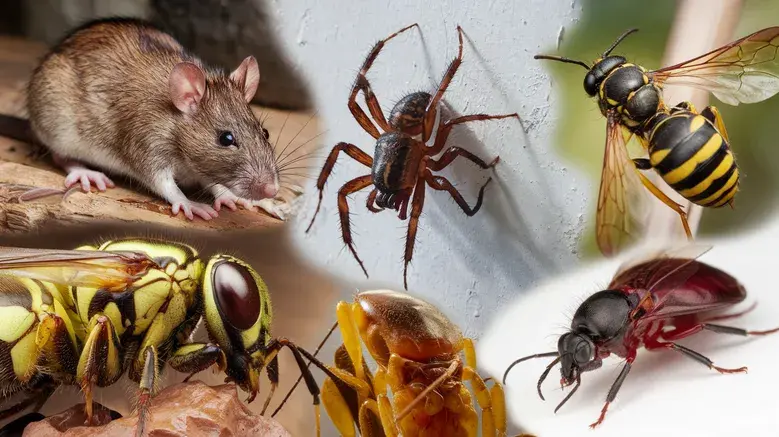
If something’s crawling, scurrying, or buzzing around your San Antonio-area home, you’re not alone, and you don’t have to guess what it is or what to do next. Below is Beeline’s guide to the pests we see most often across Texas homes, from the ones that just startle you to the ones that can quietly do real damage. Find your bug, learn what you’re actually up against, and see when it’s worth calling in a professional.
No Hidden Charges
Have a specific pest problem? We can help!
Termites
Termites can cause serious structural damage before you ever spot one. Look for mud tubes, hollow-sounding wood, or discarded wings, and call us before a small problem becomes an expensive repair.
Bed Bugs
Small, reddish-brown, and easy to miss, bed bugs hitchhike in on luggage or furniture and are notorious for surviving half-measures. Finding bites in more than one room? It’s time to call a professional.
Rats
Rats leave rub marks, gnawed wiring, and pellet droppings behind, and Texas’ mild winters mean they don’t need much reason to move indoors. Hearing scratching in the walls? Let’s find out where they’re getting in.
Rodents
House mice are smaller than rats but just as determined to get inside, squeezing through gaps as small as a dime. A “we only saw one” sighting can turn into an infestation fast.
Spiders
Most Texas spiders are harmless, but black widows and brown recluses are worth knowing on sight. Seeing spiders in high numbers can also be a sign of another pest problem hiding nearby.
Cockroaches
American and German cockroaches both turn up in Texas homes, drawn to moisture and food. Seeing one in daylight usually means there are a lot more you’re not seeing.
Ants
Not all ants are the same problem. Odorous house ants (which give off a rotten-coconut smell when crushed) and carpenter ants (larger and capable of hollowing out damp or damaged wood) are the two you’re most likely to find indoors. (Dealing with fire ants specifically? See our Fire Ants guide.)
Mosquitoes
All it takes is a bottle cap of standing water for mosquitoes to breed, and Texas’ long warm season keeps them around from spring through fall, plus they can carry West Nile virus.
Wasps
Wasps build papery nests under eaves and in attic corners, and unlike bees, they can sting more than once. A small nest in May can be a real problem by August.
Bees
Not every bee sighting needs extermination. Honey bees are important pollinators, and we’ll often relocate a hive with a local beekeeper instead of treating it.
Hornets
Texas’ most common “hornet” is actually the cicada killer, a large but mostly harmless hunter of cicadas. Any nest-building hornet, though, is best left to a professional.
Yellow Jackets
Yellow jackets crash cookouts and nest in the ground, trees, or shrubs, and a colony can grow from a few hundred in spring to 50,000 by fall.
Earwigs
Those pincers look alarming, but earwigs are mostly harmless, just a nuisance that hides in damp, dark spots like mulch and stacked wood.
Fleas
Fleas don’t stay on your pet. Eggs and larvae settle into carpet and bedding, which is why treating the animal alone rarely solves the problem.
Moths
Pantry moths usually arrive as eggs already inside stored food, while clothes moths quietly damage stored fabric. Good news: most moth problems clear up without professional treatment.
Centipedes
Fast and startling, house centipedes are actually hunting other bugs in your home. A sighting can be a clue there’s a bigger insect problem nearby.
Scorpions
The striped bark scorpion is San Antonio’s most common, often hiding in shoes, woodpiles, or under rocks. Stings are painful but rarely serious for a healthy adult.
Fire Ants
Texas’ most notorious ant builds mound nests in yards and stings hard enough to earn its name. A disturbed mound can send out dozens at once, which is a real hazard for kids, pets, and anyone with a sting allergy.
Kissing Bugs
These nighttime biters are linked to Chagas disease, a health risk that’s gotten more attention in Texas recently. Here’s what to know and how to keep them out.
Ticks
Ticks wait in tall grass and brush, then hitch a ride on people or pets. Beyond the bite, they can carry illnesses worth knowing about.
Flying Ants vs. Termites
Seeing winged insects swarm near a window? The difference between flying ants and termite swarmers is easy to spot once you know where to look, and it matters more than you’d think.
Protect Your Home Today!
Don’t let pests take over your space! Beeline Pest Control offers expert bugs and pests removal, keeping your home safe and sting-free. Call now for a free inspection and a customized treatment plan to get rid of pests for good!
No Hidden Charges
Reviews from Texas Residents
Nothing motivates us more than a pat on the back from our clients!
Beeline Pest Control
Contact Us Today!
Keep your home safe with expert pest control from Beeline Pest Control. Call now for a free inspection and custom treatment plan!
No Hidden Charges
Get a FREE Quote Today
Frequently Asked Questions
Can I do pest control myself?
You can try to do pest control yourself, but it’s often best to leave it to the professionals. Pest control companies have the experience and knowledge necessary to safely and effectively get rid of pests. They also have access to pest control products that are not available to the general public. If you try to do pest control yourself, you may not be able to get rid of all the pests, and you could end up harming yourself or your home.
How often should I schedule pest control services?
The frequency of pest control services depends on the pest problem you’re trying to solve. For example, if you have a pest problem that’s only happening seasonally, you may only need to schedule pest control services once or twice a year. However, if you have a pest problem that’s occurring all year round, you may need to schedule pest control services more frequently. Whatever your situation, be sure to contact a pest control company for more information so that you can get rid of your pest problem safely and effectively.
How long does it take for pests to be eliminated?
The length of time it takes for pests to be eliminated depends on the pest control method used. For example, if you use pest control products that contain essential oils, it may take a few days for the pests to be eliminated. However, if you use pest control methods like traps or baits, the pests will be killed immediately. If you choose to use poison, it may take a few days for the pest to die. Ultimately, the length of time it takes for pests to be eliminated depends on the pest control method used.
What are some natural ways to get rid of pests?
If you’re looking for a more natural pest control solution, there are some things you can do to get rid of pests. One natural way to get rid of pests is to use pest control products that contain essential oils. Essential oils are safe and effective, and they can help keep pests away without harming your health or the environment. You can also try using pest control methods like traps or baits. These methods will kill the pests, but they won’t harm you or your home. Whatever method you choose, be sure to follow the instructions carefully so that you can get rid of your pest problem safely and effectively.
What are some signs that I have a pest problem?
There are a number of telltale symptoms of an infestation, such as seeing pests in your house, hearing them at night, or finding droppings around your home. If you see any of these signs, it’s important to contact a pest control company right away to get rid of the problem before it gets worse.
What are some common myths about pest control?
There are a lot of myths out there about pest control, and you don’t want to believe everything you hear. For example, some people think that pest control companies use harmful chemicals that can harm your health. However, most pest control companies actually use safe, effective pest control methods that pose no threat to your health or the environment. Pest control companies also use a variety of pest control methods, so if one method doesn’t work, they can usually try another approach.
What is the best way to prevent pests in the future?
Some common prevention methods include sealing up cracks and crevices, keeping food stored properly, and eliminating sources of water and moisture. By taking some simple preventive measures, you can dramatically reduce your chances of having a pest problem in the future.
What are the most common bugs or pests in Texas?
In Texas, some of the most common pests include ants, spiders, roaches, and termites. You may also have a problem with rodents, such as rats and mice. If you’re not sure what type of pest you have, a good pest control company will be able to identify the problem and come up with a plan to get rid of it.